The dish is a starting point for exploring a wider food story. The guide below looks more closely at its background and different forms. When you want to cook, visit the recipe collection for ingredient quantities and step-by-step methods.
Overview
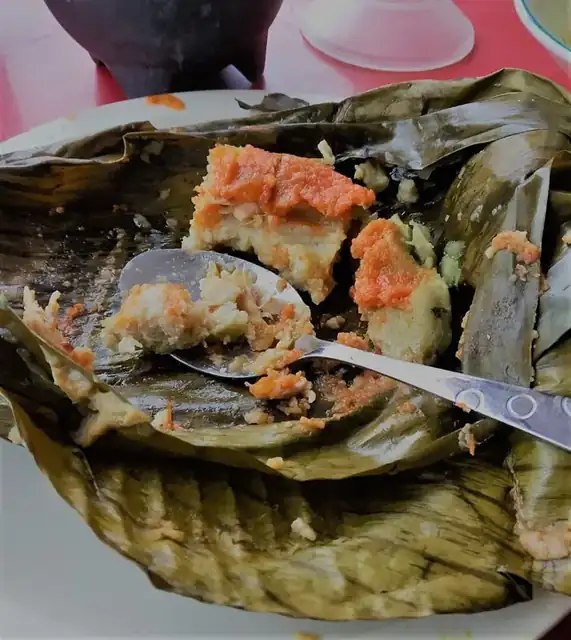
A tamale is a traditional Mesoamerican dish made of masa, a dough made from nixtamalized corn, which is steamed in a corn husk or banana leaves. The wrapping can either be discarded prior to eating or used as a plate. Tamales can be filled with meats, cheeses, fruits, vegetables, herbs, chilies, or any preparation according to taste, and both the filling and the cooking liquid may be seasoned.
Tamale is an anglicized version of the Spanish word tamal (plural: tamales). Tamal comes from the Nahuatl tamalli.
The English "tamale" is a back-formation from tamales, with English speakers applying English pluralization rules, and thus interpreting the -e- as part of the stem, rather than part of the plural suffix -es.
Aztec
The different forms of tamales eaten and sold in Aztec markets are well documented in the extensive Florentine Codex written by Reverend Bernardino de Sahagún. In book X he describes how Aztec tamales used a variety of corn for their flour base and were cooked in earth ovens, or olla, which were heated by the steam of dried cane grown and harvested for the express purpose of cooking tamales. Fillings would consist of meat (turkey, fish, frog, axolotl, gopher), fruit, bean, squash seed, turkey egg and even no filling. They would be seasoned with chilis or seeds if they were savory and honey if they were sweet.
Tamales also held great religious and spiritual importance within Aztec culture. It was customary for Aztec women to stay up for two to three days cooking tamales before a wedding. (Codex, Book IX). In terms of festivities, the most notable was Uauhquiltamalcualiztli, which was celebrated during the 18th month of the calendar round. The name of the celebration translates to 'The Eating of Tamales Stuffed with Amaranth Greens' and was a celebration of the fire deity Ixcozauhqui. Another significant ritual for the Aztecs was the feast of Atamalcualiztli (eating of water tamales). This ritual, held every eight years for a whole week, was done by eating tamales without any seasoning, spices, or filling, which allowed the maize freedom from being overworked in the usual tamale cooking methods.
Maya (pre-Columbian)
In the pre-Columbian era, the Mayas ate tamales and often served them at feasts and festivals. The Classic Maya hieroglyph for tamales has been identified on pots and other objects dating back to the Classic Era (200–1000 CE), although they likely were eaten much earlier. Tamales appear often in ceramic ware from the Mayan Classic era (200–1000 CE). The Fenton vase shows a plate of unwrapped tamales being offered as a penance to a powerful Mayan nobleman. While tortillas are the basis for the contemporary Maya diet, remarkably little evidence exists for tortilla production among the Classic period Maya. A lack of griddles in the archaeological record suggests that the primary foodstuff of the Mesoamerican diet may have been the tamal, a cooked, vegetal-wrapped mass of maize dough.
Tamales are cooked without the use of ceramic technologies and therefore the form of the tamale is thought to predate the tortilla. Similarities between the two maize products can be found in both the ingredients, preparation techniques, and the linguistic ambiguity exhibited by the pan-Mayan term wa referring to a basic, daily consumed maize product that can refer to either tortillas or tamales.
Toltec
While the exact origin of tamales has yet to be determined, the oldest people confirmed to have eaten them were the Toltecs, as archaeologists have found fossilized corn husks around the Pyramid of the Sun and the Pyramid of the Moon in Teotihuacan. (c. 250 BCE – 750 CE)
Panama
In Panamanian cuisine, tamal de olla, which is Spanish for "tamale of the pot/pan," is best described as a Panamanian-style tamale that fills the baking pan in which it is cooked, and is not wrapped in a banana or plantain leaf. The ingredients include pork or chicken cooked with corn-stuffed cornmeal (with "maiz nuevo"), vegetables (onion, tomato, and bell pepper), olives, and raisins. Some also add chopped prunes.
Varieties
Red tamales owe their color to achiote and tomato and are made with corn dough stuffed with recado rojo, raisins, chili peppers, chicken, beef or pork wrapped in banana leaves.
Cambray tamales contain raisins and almonds. Sweet tamales are filled with sweet recado rojo. Black tamales are named after the color that chocolate gives them. Chipilin tamales wrapped in corn husks, parrot tamales, and corn tamales among others are also made. Cream tamales and cheese and anise seeds are also mixed with corn tamales.
Chuchito is a typical and emblematic dish of Guatemala. It is a variation of the tamale made with corn dough, but a firmer consistency, although lard can be added to the dough to generate a more pleasant taste and consistency. It is usually mixed with recado rojo of tomato and with a filling that can be with chicken, beef, or pork. It is wrapped with dried cob leaves (tusa or bender). In some places, it is accompanied by cheese, sauce, or both.
Rice tamales come from the Guatemalan highlands, where the typical corn dough is replaced by a thick dough of annealed rice with water and salt. The preparation of the recado rojo does not differ much from the original, since only some regions have the ingredients with which it is made.
Paches is a tamale particularly from the highlands of Guatemala that uses potato instead of maize for the dough.
Varieties
Pizque are a much simpler version of a tamal in Nicaragua, they are wrapped in a banana leaf, and are eaten with cheese and cooked red beans.
Pizque Relleno have a sweet flavor, filled with a mixture of ground beans sweetened with cane sugar or rapadura and are wrapped in banana leaves. They serve as a dessert.
Yoltamal is made with tender corn grains that gives it a slightly sweet flavor and wrapped in corn husks. It is generally eaten accompanied by quesillo or cheese, and sour cream.
Yoltamal Relleno is a variety of the above stuffed with a mixture of rapadura and grated or ground cheese.
Montucas Neosegovianas y Estelianas is a Northern Nicaraguan tamal make with chicken or hen meat, wrapped in a banana leaf and tied.
More to savor
Vanillekipferl (Almond Crescent Cookies)
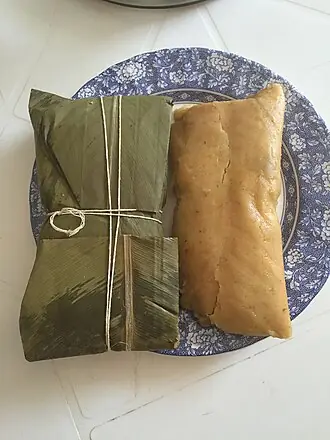
Hallaca (Venezuelan Stuffed Corn Dough)
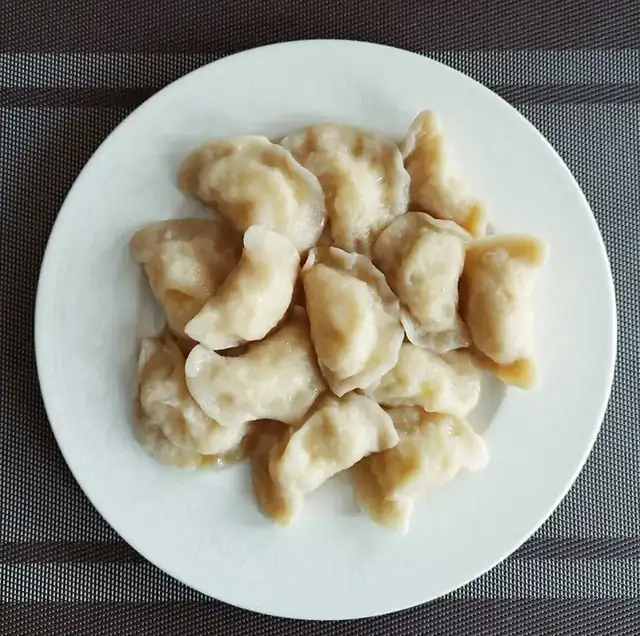
Pierogi: The Filled Dumplings Made for a Comforting Meal