This longer reference provides the background behind the topic. Read it alongside the recipe collection when you want to connect an ingredient or food idea with a dish to prepare.
Overview
Passiflora edulis, commonly known as passion fruit, is a vine species of passion flower native to southern Brazil, through Paraguay, and northern Argentina. The fruit is a pepo, a type of botanical berry, round to oval, either yellow or dark purple at maturity, with a soft to firm, juicy interior filled with numerous seeds.
The plant is cultivated commercially in tropical and subtropical areas for its sweet, seedy fruit. This is both eaten and juiced, with the juice often added to other fruit juices to enhance aroma.
Description
Passiflora edulis is a perennial vine; tendrils are borne in leaf axils, and have a red or purple hue when young. There are two main varieties: a purple-fruited type, P. edulis f. edulis, and the yellow-fruited P. edulis f. flavicarpa.
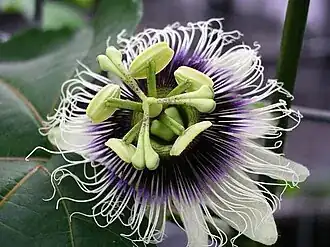
Usually the vine produces a single flower 5–7.5 cm wide at each node. The flower has 5 oblong, green sepals and 5 white petals. The sepals and petals are 4–6 mm in length and form a fringe. The base of the flower is a rich purple with 5 stamens, an ovary, and a branched style. The styles bend backward and the stigmas, which are located on top of the styles, have a very distinct head.
The fruit produced is a pepo and entirely fleshy (making it botanically a berry) and is spherical to ovoid. The outside color of the pepo ranges from dark purple with fine white specks to light yellow. The fruit is 4–7.5 cm in diameter; purple fruits are smaller, weighing around 35 grams, while yellow fruits are closer to 80 grams. The smooth, leathery rind is 9–13 mm thick, including a thick layer of pith. Within the pepo, there are typically 250 brown seeds, each 2.4 mm in length. Each seed is surrounded by a membranous sac filled with pulpy juice. The flavor of the juice is slightly acidic and musky. The passion fruit's flavor can be compared to the guava fruit.
Varieties
Several distinct varieties of passion fruit with clearly differing exterior appearances exist. The bright yellow flavicarpa variety, also known as yellow or golden passion fruit, can grow up to the size of a grapefruit, has a smooth, glossy, light, and airy rind, and has been used as a rootstock for purple passion fruit in Australia. The dark purple edulis variety is smaller than a lemon, though it is less acidic than yellow passion fruit, and has a richer aroma, sweeter pulp, and flavour .
Distribution and habitat
The species is native to the region of southern Brazil through Paraguay to northern Argentina.
Pollination
The flower of the yellow-fruited form of the passion fruit plant is self-sterile, while that of the purple-fruited form is self-compatible. In California, it is reported that pollination of flowers is most effective when done by the carpenter bee. There are three types of yellow passion fruit flowers, classified by curvature of style. To help assure the presence of carpenter bees, some gardeners place decaying logs near the vines, which provide shelter for the bees.
Viruses
Passion fruit woodiness virus is one of the most well-known viruses to the passion fruit. It belongs to the Potyvirus group and can attack a plant at any age from nursery to mature plants. Some features include yellow leaves that display distortion in the leaf length and shape. As well as affecting the leaf, this virus influences fruit shape and size. Affected fruits become stone-like and much smaller than normal, with many fruits becoming scabbed and cracked. The virus is spread by sap-sucking insects such as aphids and mites. Woodiness can also spread through vegetation propagation such as infected scions or contaminated tools. There is no chemical control for this virus once the plant is infected, but the use of clean planting material can reduce its dissemination.
One of the most serious viruses pertaining to vegetation is the cucumber mosaic virus. In the passion fruit, this virus appears with yellow mottling on leaves starting at random points on the vine and diminishing in intensity towards the tip. Expanding leaves typically become twisted, curl downward, and develop a "shoestring" appearance as a result of a restriction of the leaf surface. It is mobile and can spread easily through interactions with other plants such as brushing between leaves. This virus is naturally transmitted through aphids and can also be transmitted mechanically through seedlings. Varietal resistance is the primary management tool, and eliminating weeds and infected perennial ornamentals that may harbor the virus is critical. Once the plant has been infected, there is no possible management or control for the virus.
Culinary
Passion fruit has a variety of uses related to its favored taste as a whole fruit and juice.
In Australia and New Zealand, it is available commercially both fresh and tinned. It is added to fruit salads, and fresh fruit pulp or passion fruit sauce is commonly used in desserts, including as a topping for pavlova (a regional meringue cake) and ice cream, a flavouring for cheesecake, and in the icing of vanilla slices. A passion-fruit–flavored soft drink called Passiona has also been manufactured in Australia since the 1920s. It can be used in some alcoholic cocktails.
In Brazil, the term maracujá applies to passion fruit (maracujá azedo, or "sour") and granadillo (maracujá doce, or "sweet"). Passion fruit mousse is a common dessert and passion fruit pulp is used to decorate the tops of cakes. Passion fruit juice, ice pops, and soft drinks are also consumed. When making a caipirinha, passion fruit may be used instead of lime.
In Cambodia, the red and yellow passion fruit grown in the Mondulkiri Province are used to produce wine and liquor.
In Colombia and Costa Rica, it is used for juices and desserts.
In the Dominican Republic, where it is locally called chinola, it is used to make juice and fruit preserves. Passion-fruit-flavored syrup is used on shaved ice, and the fruit is also eaten raw, sprinkled with sugar.
In East Africa, passion fruit is used to make juice, and is commonly eaten as a whole fruit.
More to savor

Chicken Vindaloo
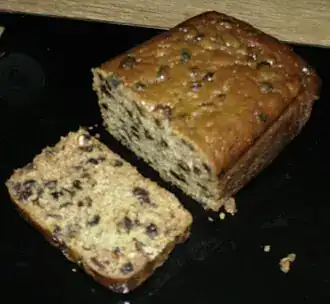
Welsh Fruit Bread (Bara Brith) I
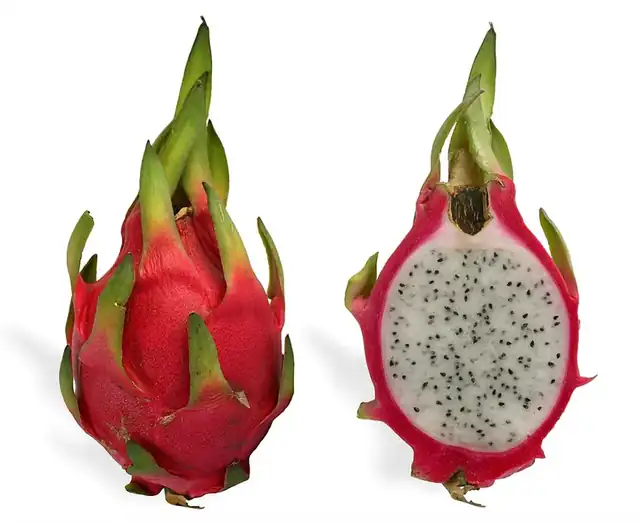
Dragon fruit at the Table: The Food Behind the Name