Use the regional background below as a starting point for exploring the food, rather than expecting one dish to represent every household. Food traditions differ within a country and continue to change through travel, migration, and everyday cooking.
In this story
OverviewIngredients and cultureTypical dishesDessertsNight market dishesBeveragesTaiwanese cuisine abroadOverview
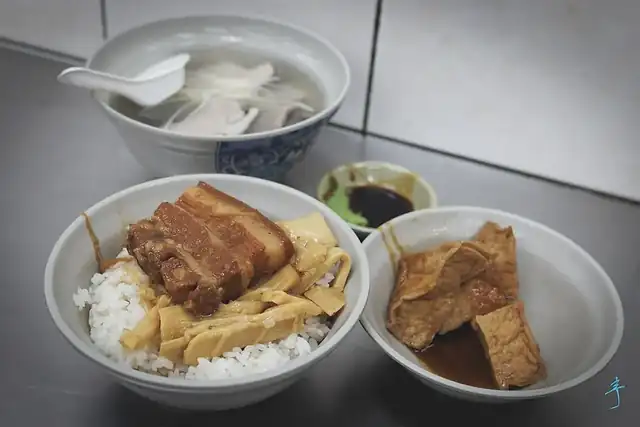
Taiwanese cuisine ( or ) is a popular style of food with several variations, including Chinese and that of Taiwanese indigenous peoples, with the earliest cuisines known of being the indigenous ones. With over a hundred years of historical development, southern Fujian cuisine has had the most profound impact on mainstream Taiwanese cuisine but it has also been influenced by Hakka cuisine, the cuisines of the waishengren (people of other provinces), and Japanese cuisine.
Taiwan's cuisine is tied to its history of colonization and modern politics makes the description of Taiwanese cuisine difficult. As Taiwan developed economically, fine dining became increasingly popular. Taiwanese cuisine has significant regional variations.
Night markets in Taiwan form a significant part of the food culture. Vegetarian and vegan food are very common. Taiwanese cuisine is popular around the world with some items like bubble tea and Taiwanese fried chicken becoming global phenomena.
Ingredients and culture
Common ingredients of Taiwanese cuisine are pork, seafood, chicken, rice, and soy. Traditionally, rice formed the basis of most Taiwanese diets. Before the Japanese colonial period, most rice grown in Taiwan was long-grained indica rice. The Japanese introduced short-grained japonica rice which quickly changed both the farming and eating patterns of the Taiwanese. Due to Japanese influence, the Taiwanese generally prefer rice that is plump, aromatic, slightly firm, and sweet. Differences between the Taiwanese and Japanese rice preferences are demonstrated by differences in their cuisine with Taiwan's more flavorful and aggressive cooking methods calling for highly aromatic rice while the Japanese prefer a more subtle and pure taste and smell. During the Japanese Colonial period, Taiwanese cuisine was divided.
High-end restaurants, or wine houses, served Chinese cuisine such as Peking duck, shark fin with bird's nest soup, and braised turtle to the colonial elite. In the meantime, those without wealth or connections primarily ate rice, porridge, pickled vegetables, and sweet potato leaves. Cooking oil was considered a luxury and was only used for special occasions.
Taiwan's cuisine has also been influenced by its geographic location. Living on a crowded island, the Taiwanese had to look aside from the farmlands for sources of protein. As a result, seafood figures prominently in their cuisine. This seafood encompasses many different things, from large fish such as tuna and grouper, to sardines and even smaller fish such as anchovies. Crustaceans, squid, and cuttlefish are also eaten. Milkfish is the most popular fish in Taiwanese cuisine; it is valued for its versatility as well as its tender meat and economical price.
Beef is less common than other proteins, and some Taiwanese (particularly the elderly generation) still refrain from eating it. This stems from traditional reluctance toward slaughtering precious cattle needed for agriculture, and an emotional attachment and feeling of gratitude and thanks to the animals traditionally used for very hard labor. However, due to influences from the influx of Chinese in the 1900s, the Taiwanese version of beef noodle soup is now one of the most popular dishes in Taiwan. American food aid in the decades following WWII which primarily consisted of wheat, beef, and processed meats like Spam permanently changed the Taiwanese diet with wheat-based noodles, breads, and dumplings taking a more central role in the cuisine.
Typical dishes
There is a type of outdoor barbecue called khòng-iô. To barbecue in this manner, one first builds a hollow pyramid up with dirt clods. Next, charcoal or wood is burnt inside until the temperature inside the pyramid is very high (the dirt clods should be glowing red). The ingredients to be cooked, such as taro, yam, or chicken, are placed in cans, and the cans are placed inside the pyramid. Finally, the pyramid is toppled over the food until cooked.
Many non-dessert dishes are usually considered snacks, not entrees; that is, they have a similar status to Cantonese dim sum or Spanish tapas. Such dishes are usually only slightly salted, with many vegetables accompanying the main meat or seafood item.
Desserts
Aiyu jelly – a gelatinous dessert made from the seeds of a creeping fig, Ficus pumila var. awkeotsang. Served on ice.
ō͘-á-peng – an ice cream made of taro root paste.
Tshuah-ping (also known as Baobing) – a Taiwanese shaved ice dessert very common in China, Taiwan, Malaysia, and Vietnam.
Night market dishes
Taiwan's best-known snacks are present in the night markets, where street vendors sell a variety of different foods, from finger foods, drinks, sweets, to sit-down dishes. In these markets, one can also find fried and steamed meat-filled buns, oyster-filled omelets, fruit ices, and much more. Aside from snacks, appetizers, entrees, and desserts, night markets also have vendors selling clothes and accessories, and offer all kinds of entertainment and products. Street vendors used to be common across Taiwan but due to increasing regulations and health safety concerns are now primarily found at night markets and food courts. Taiwanese food courts incorporate ideas from traditional night markets as well as importing ideas from the United States and Japan. Food courts have become ubiquitous across Taiwan. Many night market dishes can now be found outside night markets.
In 2014, The Guardian called Taiwan's night markets the "best street food markets in the world". Some, such as Shilin Night Market, have become as popular with tourists as they are with locals, leading to complaints that they have lost a measure of their authentic flavor though commercialization.
Various drinks are also often sold, ranging from bubble tea stands to various juice and tea stands.
Crêpes - Adapted from the original French version, a thin cooked pancake, it has a much crispier texture, rather like a cracker. They were popular in the early 2000s.
Fruit or bean smoothies - milk or ice is blended on the spot with fresh papaya, mango, watermelon, azuki bean, or mung bean.
Beverages
The Taiwanese drink less alcohol per capita than neighboring South Koreans and Japanese. This is believed to be because approximately half of Taiwan's population does not possess the necessary gene to successfully metabolize alcohol. During the Japanese colonial period the production of alcoholic beverages was industrialized and in 1922, production of alcohol was monopolized by the colonial authorities. Modern Taiwanese drinking culture and beverage production is still influenced by the Japanese colonial period.
Taiwanese cuisine abroad
Taiwanese cuisine has a global presence. Taiwanese chefs have been extremely successful abroad cooking both Taiwanese and international cuisine. Well known chefs include André Chiang.
More to savor

English Breakfast
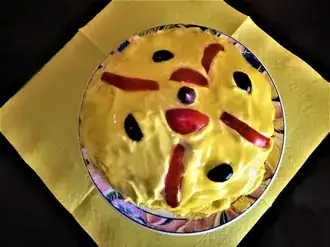
Salată de Boeuf (Romanian Beef Salad)
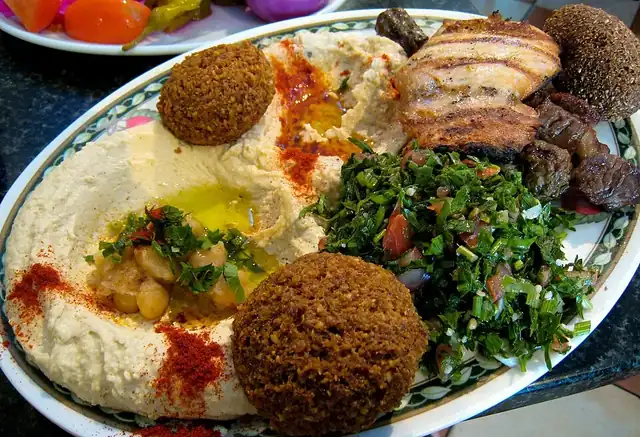
At the Lebanese Table: Exploring a Rich Food Tradition