The dish is a starting point for exploring a wider food story. The guide below looks more closely at its background and different forms. When you want to cook, visit the recipe collection for ingredient quantities and step-by-step methods.
Overview
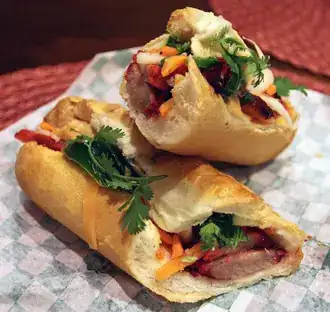
In Vietnamese cuisine, bánh mì, bánh mỳ or banh mi (, (Hanoi: [ɓaʲŋ̟˧˥.mi˧˩] or Saigon: [ɓan˧˥.mi˧˩])), is a short baguette with thin, crisp crust and a soft, airy texture. Similar to a submarine sandwich, it is often split lengthwise and filled with meat and savory ingredients and served as a meal, called bánh mì thịt. Plain bánh mì is also eaten as a staple food.
A typical Vietnamese roll or sandwich is a fusion of proteins and vegetables from native Vietnamese cuisine such as chả lụa (Vietnamese sausage), coriander (cilantro), cucumber, pickled carrots, and pickled daikon combined with condiments from French cuisine such as pâté, along with red chili and mayonnaise. However, a variety of popular fillings are used, like xá xíu (Chinese barbecued pork), xíu mại (Vietnamese minced pork), nem nướng (grilled pork sausage), đậu hũ (tofu), and even ice cream, which is more of a dessert. In Vietnam, bread rolls and sandwiches are typically eaten for breakfast or as a snack.
The baguette was introduced to Vietnam by the French in the mid-19th century, during the Nguyễn dynasty, and became a staple food by the early 20th century. In the 1950s, a distinctly Vietnamese style of sandwich developed in Saigon, becoming a popular street food, also known as bánh mì Sài Gòn ('Saigon sandwich' or 'Saigon-style bánh mì'). Following the Vietnam War, overseas Vietnamese popularized the bánh mì sandwich in countries such as Australia, Canada and the United States. In these countries, they are commonly sold in Asian bakeries.
Terminology
In Vietnamese, the word bánh mì is derived from bánh (which can refer to many kinds of food, primarily baked goods, including bread) and mì ("wheat"). It may also be spelled bánh mỳ in northern Vietnam. Taken alone, bánh mì means any kind of bread, but it could refer to the Vietnamese baguette or the sandwich made from it. To distinguish the unfilled bread from the sandwich with fillings, the term bánh mì không ("plain bread") can be used. To distinguish Vietnamese-style bread from other kinds of bread, the term bánh mì Sài Gòn ("Saigon-style bread") or bánh mì Việt Nam ("Vietnam-style bread") can be used.
A false etymology claims that the word bánh mì is a corruption of the French pain de mie, meaning soft, white bread. However, bánh (or its Nôm form) has referred to rice cakes and other pastries since as early as the 13th century, long before French contact.
Bread
A Vietnamese baguette has a thin crust and white, airy crumb. It may consist of both wheat flour and rice flour.
Besides being made into a sandwich, it is eaten alongside meat dishes, such as bò kho (a beef stew), curry, and phá lấu. It can also be dipped in condensed milk (see Sữa Ông Thọ).
Filling basics
A bánh mì sandwich typically consists of a main filling of one or more meats, together with accompanying vegetables, and condiments.
Accompanying vegetables typically include fresh cucumber slices or wedges, leaves of the coriander plant and pickled carrot and daikon in shredded form (đồ chua). Common condiments include spicy chili sauce, sliced chilis, seasoning sauce, and mayonnaise. These sandwiches can even be filled with seared tofu.
Main filling varieties
Many varieties of main filling are used. A typical bánh mì shop in the United States offers at least 10 varieties.
The most popular variety is bánh mì thịt, thịt meaning "meat". Bánh mì thịt nguội (also known as bánh mì pâté chả thịt, bánh mì đặc biệt, or "special combo") is made with various Vietnamese cold cuts, such as sliced pork or pork belly, chả lụa (Vietnamese sausage), and head cheese, along with the liver pâté and vegetables like carrot or cucumbers.
Other varieties include:
Bánh mì bì (shredded pork sandwich) shredded pork or pork skin, doused with fish sauce
Bánh mì chà bông (pork floss sandwich)
Bánh mì xíu mại (minced pork meatball sandwich) smashed pork meatballs
bánh mì thịt nguội (ham sandwich)
Bánh mì cá mòi (sardine sandwich)
Bánh mì pa-tê (pâté sandwich)
Bánh mì xá xíu or bánh mì thịt nướng (barbecue pork sandwich)
Bánh mì chả lụa or bánh mì giò lụa (Vietnamese sausage sandwich)
Bánh mì gà nướng (grilled chicken sandwich)
Bánh mì chay (vegetarian sandwich) made with tofu or seitan
Bánh mì chả cá (fish patty sandwich)
Bánh mì bơ (margarine or buttered sandwich) margarine / butter and sugar
Bánh mì trứng ốp-la (fried egg sandwich) contains fried eggs with onions, sprinkled with soy sauce, sometimes buttered; served for breakfast in Vietnam
Bánh mì kẹp kem (ice cream sandwich) contains scoops of ice cream topped with crushed peanuts
Nowadays, different types of bánh mì are popular. For example, bánh mì que is thinner and longer and can be filled with various ingredients just as normal bánh mì.
Notable vendors
Prior to the Fall of Saigon in 1975, well-known South Vietnamese bánh mì vendors included Bánh mì Ba Lẹ and Bánh mì Như Lan (which opened in 1968).
In the 21st century, McDonald's and Paris Baguette locations in Vietnam offer bánh mì.
Australia
In the decade after the Vietnam war, around 94,000 Vietnamese refugees migrated to Australia. Some refugees opened bakeries that specialised in bánh mì, particularly around Western Melbourne, South-Western Sydney and South-Western Brisbane. Today, Bánh mì is highly popular as an affordable snack across Australia, especially amongst tradespeople. In 2022, there were over 300 shops that sell Bánh mì in Melbourne alone. This includes fast food chain Roll'd and various Vietnamese-run bakeries.
An Australian-based "Vietnamese Banh Mi Appreciation Society" was created on Facebook in 2017. As of January 2026, it had 155,000 members. Australian-made bánh mì and their makers also feature on TikTok. As of the same month, a recent TikTok review of Top Ryde Baker's House, a family-run bánh mì-making business in Ryde, a suburb of Sydney, had had 1.5 million views. Additionally, a bánh mì made by another Sydney-based business, Marrickville Pork Roll, which has numerous outlets around the city, has featured in an Instagram post by Australia's Prime Minister, Anthony Albanese.
In November 2025, a limited time special "Zinger Bánh Mì" roll was added to the nationwide menu of KFC Australia. It was made up of "... [a] spicy Zinger chicken fillet with slaw, fresh chillies, coriander, a new Bánh Mì-style mayonnaise, and Supercharged sauce, all served in a traditional Bánh Mì roll." Although a trial of the item had been successful earlier in the year in Newcastle, New South Wales, the nationwide launch proved to be controversial. So, for example, whereas a This is Canberra reviewer described the product as "glorious", a reviewer in The Guardian dubbed it "... bánh mì by name but not nature ... the Dannii Minogue of chicken sandwiches."
More to savor
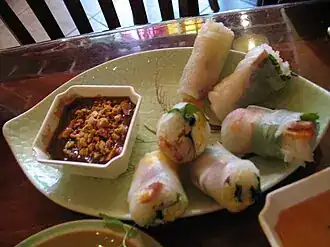
Bò bía
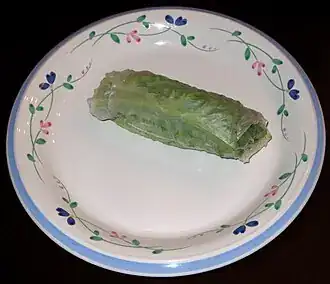
Summer Rolls
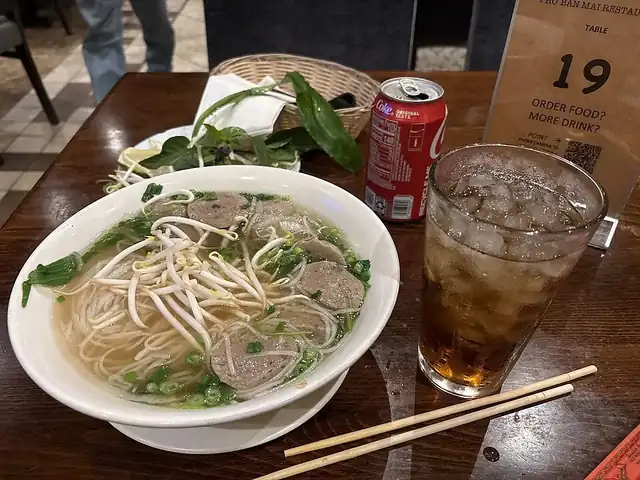
Pho: The Vietnamese Noodle Soup with a Story in Every Bowl