The dish is a starting point for exploring a wider food story. The guide below looks more closely at its background and different forms. When you want to cook, visit the recipe collection for ingredient quantities and step-by-step methods.
In this story
OverviewDevelopmentIngredients and preparationNoodlesBrothRegional variantsOther phở dishesOverview
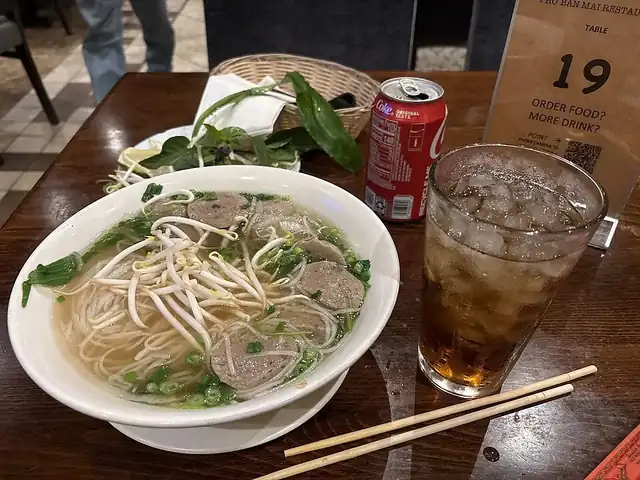
Pho (phở ) is a Vietnamese soup dish consisting of broth, rice noodles (bánh phở), herbs, and meat – usually beef (phở bò), and sometimes chicken (phở gà). Pho is a popular food in Vietnam where it is served in households, street-stalls, and restaurants nationwide. Residents of the city of Nam Định were the first to create Vietnamese traditional pho.
Pho is a relatively recent addition to the country's cuisine, first appearing in written records in the early 20th century in Northern Vietnam. After the Vietnam War, refugees popularized it throughout the world. Due to limited historical documentation, the origins of pho remain debated. Influences from both French and Chinese culinary traditions are believed to have contributed to its development in Vietnam, as well as to the etymology of its name. The Hanoi (northern) and Saigon (southern) styles of pho differ by noodle width, sweetness of broth, and choice of herbs and sauce.
In 2017, Vietnam made December 12 the "Day of Pho" (Ngày của Phở).
Development
In the late 1920s, various vendors experimented with húng lìu, sesame oil, tofu, and even Lethocerus indicus extract (cà cuống). This "phở cải lương" failed to enter the mainstream.
Phở tái, served with rare beef, had been introduced by 1930. Chicken pho appeared in 1939, possibly because beef was not sold at the markets on Mondays and Fridays at the time.
Ingredients and preparation
Phở is served in a bowl with a specific cut of flat rice noodles in clear beef broth, with thin cuts of beef (steak, fatty flank, lean flank, brisket). Variations feature slow-cooked tendons, tripe, or meatballs in southern Vietnam. Chicken pho is made using the same spices as beef, but the broth is made using chicken bones and meat, as well as some internal organs of the chicken, such as the heart, the undeveloped eggs, and the gizzard.
When eating at phở stalls in Vietnam, customers are generally asked which parts of the beef they would like and how they want it done.
Beef parts include:Tái băm: Rare beef patty, minced by a chopping knife right before serving Tái: Medium rare meatTái sống: Rare meatTái chín: Mixture of medium rare meat and pre-cooked well-done meat, the default serving in most pho restaurantsTái lăn: Meat, sauteed before adding to the soup Tái nạm: Mix of medium rare meat with flankNạm: Flank cutNạm gầu: BrisketGân: TendonsSách: Beef tripeTiết: Boiled beef bloodBò viên: Beef ball Trứng tái: Poached chicken egg (served in a separate bowl)
For chicken phở, options might include:Đùi gà: Chicken thighLườn gà: Chicken breastLòng gà: Chicken innardsTrứng non: Immature chicken eggsTrứng chần: chicken egg yolk
Noodles
The freshly made rice noodles which are usually used are called bánh phở tươi, sợi phở tươi or for short, phở tươi in Vietnamese, while the dried rice noodles are called bánh phở khô, sợi phở khô or for short, phở khô. In North America, the semi-dried pho noodles are labeled on the packaging as bánh phở tươi (fresh pho noodles).
Pho noodles are usually medium-wide; however, people from different regions of Vietnam prefer different widths.
Broth
The soup for beef phở is generally made by simmering beef bones, oxtails, flank steak, charred onion, charred ginger, and spices. For a more intense flavor, the bones may still have beef on them. Chicken bones also work and produce a similar broth. Seasonings can include Saigon cinnamon or other kinds of cinnamon as alternatives (may be used usually in stick form, sometimes in powder form in pho restaurant franchises overseas), star anise, roasted ginger, roasted onion, black cardamom, coriander seed, fennel seed, and clove. The broth takes several hours to make. For chicken phở, only the meat and bones of the chicken are used in place of beef and beef bone.
The remaining spices remain the same, but the charred ginger can be omitted since its function in beef phở is to subdue the quite strong smell of beef.
The spices, often wrapped in cheesecloth or a soaking bag to prevent them from floating all over the pot, usually contain cloves, star anise, coriander seed, fennel, cinnamon, black cardamom, ginger, and onion.
Regional variants
There are several regional variants of pho in Vietnam, particularly divided between "Northern phở" (phở Bắc) or "Hanoi phở" (phở Hà Nội), and "Southern phở" (phở Nam) or "Saigon pho" (phở Sài Gòn). Northern Vietnamese phở uses a savoury, clear broth, blanched whole green onion, and garnishes offered generally include only diced green onion and cilantro, pickled garlic, chili sauce and quẩy. The Northern pho is often described as subtle and light on spices while having a deep savory taste from beef bones. Side dishes with the Northern pho are poached eggs (in the pho broth, served in a separate bowl) and fried dough, which can be either chewy or crunchy. On the other hand, southern Vietnamese phở broth is sweeter and cloudier, and is consumed with bean sprouts, fresh sliced chili, hoisin sauce, and a greater variety of fresh herbs.
Phở may be served with either phở noodles or kuy teav noodles (hủ tiếu). The variations in meat, broth, and additional garnishes such as lime, bean sprouts, ngò gai (culantro), húng quế (Thai basil), and tương đen (hoisin sauce), tương ớt (chili sauce) appear to be innovations made by or introduced to the South. Another style of northern phở is phở Nam Định from Nam Định city which uses more fish sauce in the broth and wider noodles. Other provincial variations exist where pho is served with delicacy meats other than beef or chicken, such as duck, buffalo, goat, or veal.
Other phở dishes
Phở has many variants, including many dishes bearing the name "phở", which are not all soup-based:Phở sốt vang: Wine-sauced pho, with beef stewed in red wine. Phở tái lăn: pho with rare beef quickly stir-fried before serving. Phở xào: sauteed pho noodles with beef and vegetables.Phở áp chảo: similar to phở xào but stir-fried with more oil and gets more burned. Phở cuốn: rolled pho, with ingredients rolled up and eaten as a gỏi cuốn. Phở trộn: mixed pho, noodles and fresh herbs and dressings, served as a salad.Phở chấm: dipping pho, with the noodles and broth served separately. Phở chiên phồng: This variant is the same as the previous but without eggs and looks like pillowsPhở chiên trứng: This means a variant that pho is deep-fried with eggs.Lẩu phở: Using deconstructed phở ingredients and eaten as a hotpot.
Other local variances or dishes called phở:Phở chua: meaning sour phở is a delicacy from Lạng Sơn city.Phở khô Gia Lai: an unrelated noodle dish from Gia Lai, similar to hủ tiếu.Phở sắn: a tapioca noodle dish from Quế Sơn District of Quảng Nam.Phở sa tế: phở noodles with chili and peanut sauce and venison meat, came from Teochew immigrants in southern Vietnam.Phở vịt: duck phở, a specialty of Cao Bằng and Lạng Sơn provinces.Phở gan cháy: meaning grilled liver pho, a specialty found in Bắc Ninh city.Phở trâu: Buffalo pho, a specialty of Nam Định and Hà Nam provinces.Phở dê: Goat pho, a specialty of Ninh Bình province.Phở đỏ: made from red rice, a specialty of Hà Giang highland. Phở xíu chấm: a dish served with grilled pork, a specialty of Nam Định city. Phở Lào' or Laos phở is the Vietnamese name of Khao piak sen.
More to savor
Marinara Sauce
Waterzooi
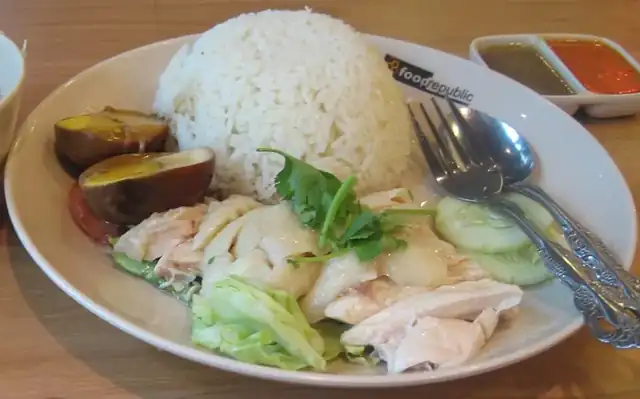
Hainanese Chicken Rice: A Meal Built from Simple Parts