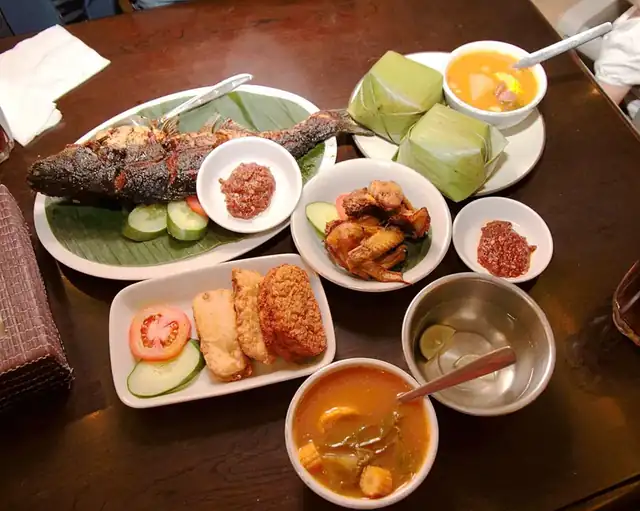
What we eat is only part of the story of a meal. The setting, the way food is served, and the habits around the table can be just as revealing. The guide below follows the subject in more detail.
Overview
Breakfast is the first meal of the day, usually eaten in the morning. The word in English refers to breaking the fasting period of the previous night. Various "typical" or "traditional" breakfast menus exist, with food choices varying by regions and traditions worldwide.
Europe
In the European Middle Ages, breakfast was commonly eaten by working people, as well as children, the elderly, the sick, while the upper classes didn't speak of or partake in eating in the morning. Eating breakfast meant that one was poor, was a low-status farmer or laborer who truly needed the energy to sustain his morning's labor, or was too weak to make it to the large, midday dinner. Monarchs and their entourages would spend a lot of time around a table for meals. Only two formal meals were eaten per day—one at mid-day and one in the evening. The exact times varied by period and region, but this two-meal system remained consistent throughout the Middle Ages.
In the 13th century, breakfast when eaten sometimes consisted of a piece of rye bread and a bit of cheese. Morning meals would not include any meat, and would likely include 0.4 impgal of low alcohol-content beers. Uncertain quantities of bread and ale could have been consumed in between meals.
By the 15th century, breakfast in western Europe often included meat. By this time, noble men were seen to indulge in breakfast, making it more of a common practice, and by the early 16th century, recorded expenses for breakfast became customary. Breakfast in eastern Europe remained mostly the same as the modern day: a "continental breakfast". The 16th century introduction of caffeinated beverages into the European diet was also an addition to breakfast; it was believed that coffee and tea aid the body in "evacuation of superfluities".
Africa
Traditionally, the various cuisines of Africa use a combination of locally available fruits, cereal grains and vegetables, as well as milk and meat products. In some parts of the continent, the traditional diet features milk, curd and whey products. A type of porridge is most commonly eaten. In the book The Bible cyclopædia (et al.) published in 1843, it was documented that during this time in the Arab world, Bedouins often utilized locusts mixed with butter for breakfast, spreading the mixture on unleavened bread.
Egypt
In the book The Bible cyclopædia (et al.) published in 1843, it was documented that Egyptians were early risers that sometimes had a first meal consisting of coffee along with the smoking of a pipe, and did not eat breakfast until noon. At this time, it was documented that Egyptian breakfast foods included bread, cheese, eggs, butter, curds, clotted cream and stewed beans. In addition, fava beans are an established national breakfast dish.
Middle East
In the Middle East region of Asia, Iftar refers to the evening meal when Muslims break their sawm (fast) during the Islamic month of Ramadan. Iftar is one of the religious observances of Ramadan, and is often done as a community, with people gathering to break their fast together. Iftar is done right after Maghrib (sunset) time. During the month of Ramadan, Muslims replace traditional breakfast with suhoor, an Islamic term referring to the meal consumed early in the morning by Muslims before sawm during daylight hours. The meal is eaten before fajr (dawn).
Japan
In Japan, it is common to eat miso soup and rice porridge for breakfast.
Lebanon
In the book The Bible cyclopædia (et al.) it was documented that c. 1843, poor Lebanese people would consume raw leeks with bread for breakfast.
Austria
The croissant appears to have originated in Vienna, Austria, in 1683.
France
French breakfasts are often similar to the continental breakfast. French breakfast pastries include apple turnovers, brioche, croissant and pain au chocolat. Croissants have been described as becoming a standard fare in French breakfast cuisine by 1875.
Netherlands
Breakfast usually consists of bread with a wide variety of cold cuts, cheeses and sweet toppings; such as hagelslag, vlokken, muisjes, gestampte muisjes, chocolate spread, treacle (a thick, dark brown sugar syrup called stroop), apple butter and peanut butter.
The word waffle derives from the Dutch word wafel, which itself derives from the Middle Dutch wafele, and is likely the origin of the food as it is known today.
United Kingdom
In the early 16th century, some physicians warned against eating breakfast, because they said it was not healthy to eat before a prior meal was digested. By the 1550s, however, there were multiple sources that claimed breakfast was an important meal. For example, in 1551, Thomas Wingfield stated that breakfast was essential. In 1589, Thomas Cogan stated that it was unhealthy to miss breakfast in the morning. He was one of the first to claim that it was healthy for those who were not young, ill or elders to eat breakfast.
The full breakfast is a staple of British cuisine, and typically consists of bacon, sausages and eggs, often served with a variety of side dishes and a beverage such as coffee or tea. Prior to 1600, breakfast in Great Britain typically included bread, cold meat or fish, and ale. Tea, chocolate and coffee were introduced to Great Britain in the mid-1600s, and in the 1700s coffee and chocolate were adopted as breakfast drinks by the fashionable. Tea eventually became more popular than chocolate as a breakfast drink.
More to savor

Koeksisters (Fried Braided Pastry in Syrup)

English Breakfast

Pancakes Around the Table: One Idea, Many Delicious Forms