A drink can be an everyday routine, something shared with company, or a way to explore a food tradition. The background below looks more closely at the preparation and story behind the cup or glass.
In this story
OverviewAppearance and typesModern cidersHeritage cidersSpeciality style cidersFlavour compoundsVariations and related drinksOverview
Cider is an alcoholic beverage made from the fermented juice of apples. The juice of most varieties of apple (including crab apples) can be used to make cider, but cider apples are most desirable. The addition of sugar or extra fruit before a second fermentation increases the ethanol content of the resulting beverage.
Cider is widely available in Britain, particularly in the West Country, and Ireland. Together, they have the world's highest per capita consumption and the largest cider-producing companies. Ciders from the South West of England are generally higher in alcoholic content. Cider remains traditionally popular across the Anglosphere, such as India, South Africa, Canada, Australia, New Zealand, Hong Kong, and the United States (particularly in New England and the Midwest).
Appearance and types
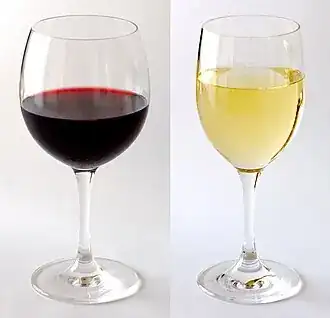
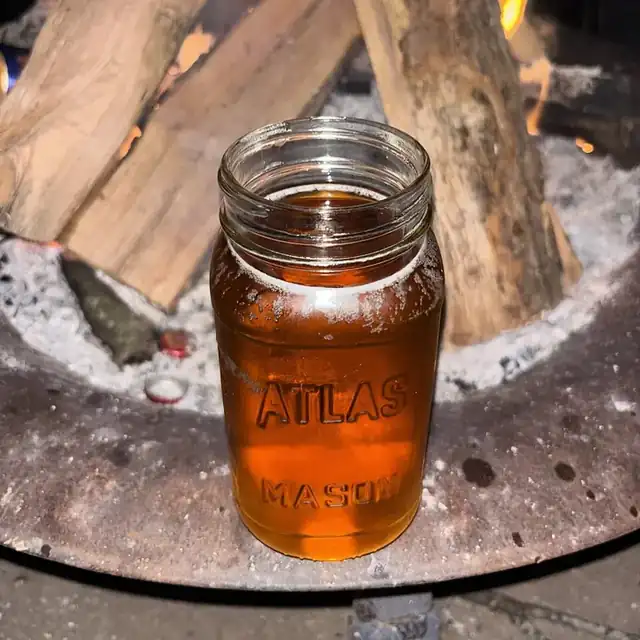
The flavour of cider varies. Ciders can be classified from dry to sweet. Their appearance ranges from cloudy with sediment to completely clear, and their colour ranges from almost colourless to amber to brown. The variations in clarity and colour are mostly due to filtering between pressing and fermentation. Some apple varieties will produce a clear cider without any need for filtration. Both sparkling and still ciders are made; the sparkling variety is the more common.
Modern, mass-produced ciders closely resemble sparkling wine in appearance. More traditional brands tend to be darker and cloudier. They are often stronger than the mass-produced varieties and taste more strongly of apples. Almost colourless, white cider has the same apple juice content as conventional cider but is harder to make because the cider maker must blend various apples to achieve a clearer liquid. White ciders tend to be sweeter and more refreshing. They are typically 7–8% ABV in strength. Black cider, by contrast, is a dry amber cider with an alcohol content of 7–8% ABV.
Modern ciders
Modern ciders are made from culinary apples and are lower in tannins and higher in acidity than other cider styles. Common culinary apples used in modern ciders include McIntosh, Golden Delicious, Jonagold, Granny Smith, Gala, and Fuji. A sweet or low alcohol cider may tend to have a strong aromatic and flavour character of apple, while drier and higher alcohol ciders will tend to produce a wider range of fruity aromas and flavours. Modern ciders vary in color from pale to yellow and can range from brilliant to a hazy clarity. Clarity can be altered through various cider-making practices, depending on the cider maker's intentions. There are even Rosé ciders made from apples with red skins and flesh.
Heritage ciders
Heritage ciders are made from both culinary and cider apples, including bittersweet, bittersharp, heirloom, wild, and crab apples. Common apples used in heritage cider production include Dabinett, Kingston Black, Roxbury Russet, and Wickson. Heritage ciders are higher in tannins than modern ciders. They range in colour from yellow to amber, from brilliant to hazy. Clarity of heritage ciders also depends on the cider-making practices used and will differ by cider maker as well.
In Canada, some cideries market "Loyalist-style" ciders, which are notably dry and made with McIntosh apples, a Canadian heritage varietal.
Speciality style ciders
Speciality-style ciders are open to much more manipulation than modern- or heritage-style ciders. There is no restriction on apple varieties used, and the list of speciality styles continues to expand. Listed on the USACM Cider Style Guide, speciality styles include: fruit, hopped, spiced, wood-aged, sour, and iced ciders. Fruit ciders have other fruit or juices added before or after fermentation, such as cherries, blueberries, and cranberries. Hopped cider is fermented with added hops, common hop varieties being Cascade, Citra, Galaxy, and Mosaic. Spiced ciders have various spices added to the cider before, during, or after fermentation. Spices like cinnamon and ginger are popular to use in production. Wood-aged ciders are ciders that are either fermented or aged in various types of wood barrels to aid in the extraction of woody, earthy flavours.
Flavour compounds
Tannins are crucial flavour compounds in cider. Since perfecting the tannin content in the cider is needed for optimal success, the tannins or "polyphenols of apples are largely implicated in cider quality." They are important because they control the astringency and bitterness of the cider. Tannins are important to consider when producing cider because the length of the aftertaste (astringency) and bitterness are both strong factors that affect people's opinion of the cider. Tannins are naturally occurring polyphenol compounds in apples. Depending on the type of cider apple the producer uses, tannin levels will vary. The more well-known ciders typically have lower tannin levels, while traditional ciders have higher tannin levels. One example of a common tannin present in cider is Procyanidin B2.
The acids in cider play a vital role in both the cider-making process and the final flavour of the finished cider. They are present in both apples and cider, adding a sour taste and a pungent odour to each. Acids also serve as a preservative in the cider since microbes grow less in lower pH environments and contribute to the fermentation process. Most ciders have a pH of between 3.3 and 4.1. The primary acid found in apples is malic acid which accounts for around 90% of the acid content in apples. Malic acid contributes to the tart and sour flavours found in cider, and typically between 4.5 and 7.5 grams of malic acid per litre of cider is preferred. Malic acid is also used to determine apple ripeness for harvesting, as its concentration decreases as the fruit ripens.
Variations and related drinks
In addition to the UK and its former colonies, cider is popular in France (particularly Normandy and Brittany), Portugal (mainly in Minho and Madeira), northern Italy (specifically Friuli), and northern Spain (specifically Asturias, Basque Country). Due to fermentation, ciders can be thought of as a fruit wine made from apples, though the exact definitions of either beverage can vary by culture. Germany also has its own types of cider, with Rhineland-Palatinate and Hesse producing a particularly tart version known as Apfelwein.
Calvados and applejack are strong liquors distilled from cider. They differ in their geographical origin and their method of distillation.
Calvados is made throughout Normandy, not just in the Calvados département. It is made from cider by double distillation. In the first pass, the result is a liquid containing 28–30% alcohol. After the second pass, the concentration of alcohol is about 40%.
More to savor

English Breakfast
Ají de Gallina (Peruvian Chili Chicken)
Kvass: The Fermented Grain Drink with a Sweet-and-Sour Story