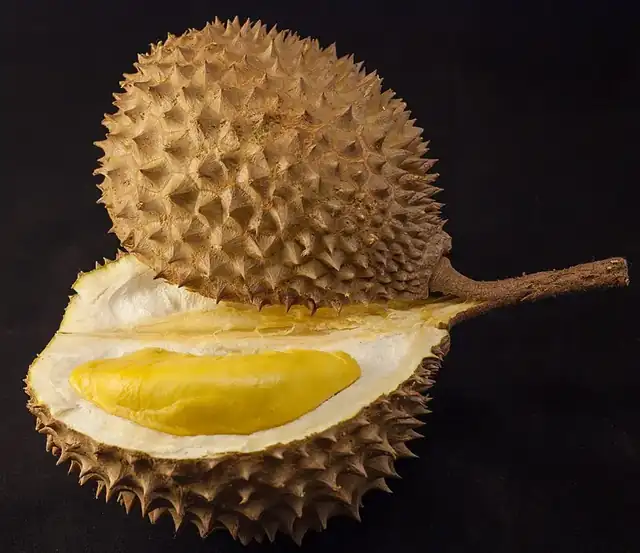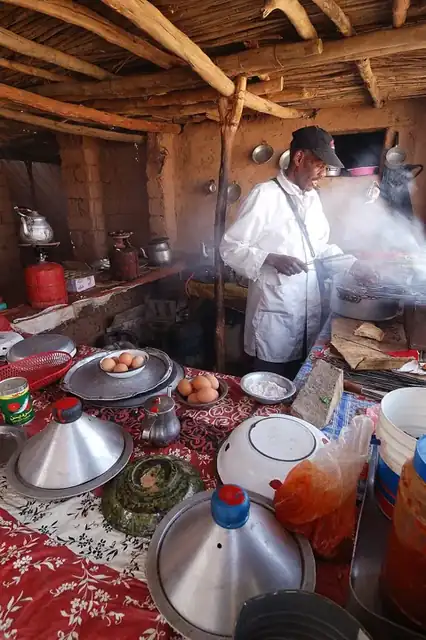
This longer reference provides the background behind the topic. Read it alongside the recipe collection when you want to connect an ingredient or food idea with a dish to prepare.
In this story
OverviewIngredientsCarbohydratesFatsSecurity while cookingFood safetyHome-cooking and commercial cookingOverview
Cooking, also known as cookery, is the art, science and craft of using heat to make food more palatable, digestible, nutritious, or safe. Cooking techniques and ingredients vary widely, from grilling food over an open fire, to using electric stoves, to baking in various types of ovens, to boiling and blanching in water, reflecting local conditions, techniques and traditions. Cooking is an aspect of all human societies and a cultural universal.
Types of cooking also depend on the skill levels and training of the cooks. Cooking is done both by people in their own dwellings and by professional cooks and chefs in restaurants and other food establishments. The term "culinary arts" usually refers to cooking that primarily focuses on the aesthetic presentation and taste of food.
Preparing food with heat or fire is an activity unique to humans. Archaeological evidence of cooking fires dates to at least 300,000 years ago, but some estimate that humans started cooking as early as 2 million years ago.
Ingredients
Most ingredients in cooking are derived from living organisms. Vegetables, fruits, grains, and nuts, as well as herbs and spices come from plants, while meat, eggs, and dairy products come from animals. Mushrooms and the yeast used in baking are kinds of fungi. Cooks also use water and minerals such as salt. Cooks can also use wine or spirits.
Naturally occurring ingredients contain various amounts of molecules called proteins, carbohydrates and fats. They also contain water and minerals. Cooking involves manipulating the chemical properties of these molecules.
Carbohydrates
Carbohydrates include the common sugar, sucrose (table sugar), a disaccharide, and such simple sugars as glucose (made by enzymatic splitting of sucrose) and fructose (from fruit), and starches from sources such as cereal flour, rice, arrowroot and potato.
The interaction of heat and carbohydrate is complex. Long-chain sugars such as starch tend to break down into more digestible simpler sugars. If the sugars are heated so that all water of crystallisation is driven off, caramelization starts, with the sugar undergoing thermal decomposition with the formation of carbon, and other breakdown products producing caramel. Similarly, the heating of sugars and proteins causes the Maillard reaction, a basic flavor-enhancing technique.
Fats
Types of fat include vegetable oils, animal products such as butter and lard, as well as fats from grains, including maize and flax oils. Fats are used in many ways in cooking and baking. To prepare stir-fries, grilled cheese, or pancakes, the pan or griddle is often coated with fat or oil. Fats are also used as an ingredient in baked goods such as cookies, cakes, and pies. Fats can reach temperatures above the boiling point of water and are often used to transfer high heat to other ingredients, such as in frying, deep-frying, or sautéing. Fats are used to add flavor to food (e.g., butter or bacon fat), prevent food from sticking to pans, and create a desirable texture.
Fats are one of the three main macronutrient groups in human diet, along with carbohydrates and proteins, and the main components of common food products like milk, butter, tallow, lard, salt pork, and cooking oils. They are a major and dense source of food energy for many animals and play important structural and metabolic functions, in most living beings, including energy storage, waterproofing, and thermal insulation. The human body can produce the fat it requires from other food ingredients, except for a few essential fatty acids that must be included in the diet. Dietary fats are also the carriers of some flavor and aroma ingredients and vitamins that are not water-soluble.
Security while cooking
Hazards while cooking can include:
Unseen slippery surfaces (such as from oil stains, water droplets, or items that have fallen on the floor)
Cuts; about a third of the US's estimated annual 400,000 knife injuries are kitchen-related.
Burns or fires
To prevent those injuries, safety measures include heat-resistant clothing, anti-slip shoes, a fire extinguisher, and more.
Food safety
Cooking can prevent many foodborne illnesses that would otherwise occur if raw food is consumed. When heat is used in the preparation of food, it can kill or inactivate harmful organisms, such as bacteria and viruses, as well as various parasites such as tapeworms and Toxoplasma gondii. Food poisoning and other illness from uncooked or poorly prepared food may be caused by bacteria such as pathogenic strains of Escherichia coli, Salmonella typhimurium and Campylobacter, viruses such as noroviruses, and protozoa such as Entamoeba histolytica. Bacteria, viruses, and parasites may be introduced through salad, meat that is uncooked or done rare, and unboiled water.
The sterilizing effect of cooking depends on temperature, cooking time, and the technique used. Some food spoilage bacteria, such as Clostridium botulinum or Bacillus cereus, can form spores that survive cooking or boiling, which then germinate and regrow after the food has cooled. This makes it unsafe to reheat cooked food more than once.
Home-cooking and commercial cooking
Home cooking has traditionally been a process carried out informally in a home or around a communal fire, and can be enjoyed by all members of the family, although in many cultures women bear primary responsibility. Cooking is also often carried out outside of personal quarters, for example at restaurants, or schools. Bakeries were among the earliest forms of cooking outside the home, and in the past, often offered cooking for pots of food that customers provided as an additional service. In the present day, factory food preparation has become common, with many "ready-to-eat" as well as "ready-to-cook" foods being prepared and cooked in factories, and home cooks using a mixture of scratch made, and factory-made foods together to make a meal.
The nutritional value of including more commercially prepared foods is inferior to that of home-made foods. Home-cooked meals tend to be healthier with fewer calories, and less saturated fat, cholesterol and sodium on a per calorie basis while providing more fiber, calcium, and iron. The ingredients are also directly sourced, so there is control over authenticity, taste, and nutritional value. The superior nutritional quality of home-cooking could therefore play a role in preventing chronic disease. Cohort studies following the elderly over 10 years show that adults who cook their own meals have significantly lower mortality, even when controlling for confounding variables.
More to savor

Chicken Vindaloo
Baklava I
Butter in the Kitchen: Exploring an Everyday Ingredient