This longer reference provides the background behind the topic. Read it alongside the recipe collection when you want to connect an ingredient or food idea with a dish to prepare.
In this story
OverviewTraditional techniquesBoilingBurialCanningHeatingHigh-pressure food preservationOverview
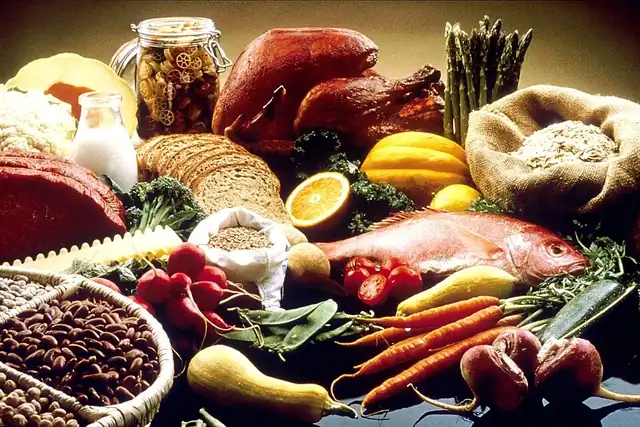
Food preservation includes processes that make food more resistant to microorganism growth and slow the oxidation of fats. This slows down the decomposition and rancidification process. Food preservation may also include processes that inhibit visual deterioration, such as the enzymatic browning reaction in apples after they are cut during food preparation. By preserving food, food waste can be reduced, which is an important way to decrease production costs and increase the efficiency of food systems, improve food security and nutrition and contribute towards environmental sustainability. For instance, it can reduce the environmental impact of food production.
Many processes designed to preserve food involve more than one food preservation method. Preserving fruit by turning it into jam, for example, involves boiling (to reduce the fruit's moisture content and to kill bacteria, etc.), sugaring (to prevent their re-growth) and sealing within an airtight jar (to prevent recontamination).
Different food preservation methods have different impacts on the quality of the food and food systems. Some traditional methods of preserving food have been shown to have a lower energy input and carbon footprint compared to modern methods. Some methods of food preservation are also known to create carcinogens.
Traditional techniques
Some techniques of food preservation pre-date the dawn of agriculture. Others were discovered more recently.
Boiling
Boiling liquids can kill any existing microbes. Milk and water are often boiled to kill any harmful microbes that may be present in them.
Burial
Burial of food can preserve it due to a variety of factors: lack of light, lack of oxygen, cool temperatures, pH level, or desiccants in the soil. Burial may be combined with other methods such as salting or fermentation. Most foods can be preserved in soil that is very dry and salty (thus a desiccant) such as sand, or soil that is frozen.
Many root vegetables are very resistant to spoilage and require no other preservation than storage in cool dark conditions, for example by burial in the ground, such as in a storage clamp (not to be confused with a root cellar). Cabbage was traditionally buried during autumn in northern US farms for preservation. Some methods keep it crispy while other methods produce sauerkraut. A similar process is used in the traditional production of kimchi.
Sometimes meat is buried under conditions that cause preservation. If buried on hot coals or ashes, the heat can kill pathogens, the dry ash can desiccate, and the earth can block oxygen and further contamination. If buried where the earth is very cold, the earth acts like a refrigerator, or, in areas of permafrost, a freezer.
In Odisha, India, it is practical to store rice by burying it underground. This method helps to store for three to six months during the dry season.
Butter and similar substances have been preserved as bog butter in Irish peat bogs for centuries. Century eggs are traditionally created by placing eggs in alkaline mud (or other alkaline substance), resulting in their "inorganic" fermentation through raised pH instead of spoiling. The fermentation preserves them and breaks down some of the complex, less flavorful proteins and fats into simpler, more flavorful ones.
Canning
Canning involves cooking food, sealing it in sterilized cans or jars, and boiling the containers to kill or weaken any remaining bacteria as a form of sterilization. It was invented by the French confectioner Nicolas Appert. By 1806, this process was used by the French Navy to preserve meat, fruit, vegetables, and even milk. Although Appert had discovered a new way of preservation, it was not understood until 1864 when Louis Pasteur found the relationship between microorganisms, food spoilage, and illness.
Foods have varying degrees of natural protection against spoilage and may require that the final step occurs in a pressure cooker. High-acid fruits like strawberries require no preservatives to can and only a short boiling cycle, whereas marginal vegetables such as carrots require longer boiling and the addition of other acidic elements. Low-acid foods, such as vegetables and meats, require pressure canning. Food preserved by canning or bottling is at immediate risk of spoilage once the can or bottle has been opened.
Lack of quality control in the canning process may allow ingress of water or micro-organisms. Most such failures are rapidly detected as decomposition within the can cause gas production and the can will swell or burst. However, there have been examples of poor manufacture (underprocessing) and poor hygiene allowing contamination of canned food by the obligate anaerobe Clostridium botulinum, which produces an acute toxin within the food, leading to severe illness or death. This organism produces no gas or obvious taste and remains undetected by taste or smell. Its toxin is denatured by cooking, however. Cooked mushrooms, when handled poorly and then canned, can support the growth of Staphylococcus aureus, which produces a toxin that is not destroyed by canning or subsequent reheating.
Heating
Heating to temperatures which are sufficient to kill microorganisms inside the food is a method used with perpetual stews.
High-pressure food preservation
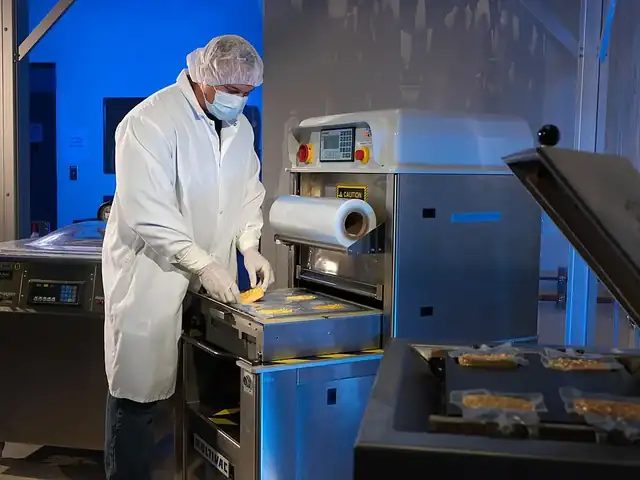
High pressure can be used to disable harmful microorganisms and spoilage enzymes while retaining the food's fresh appearance, flavor, texture and nutrients. By 2005, the process was being used for products ranging from orange juice to guacamole to deli meats and widely sold. Depending on temperature and pressure settings, HP processing can achieve either pasteurization-equivalent log reduction or go all the way to achieve sterilization of all microbes.
More to savor
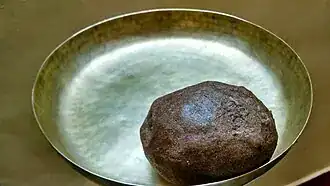
South Indian Millet Swallow (Mudde)
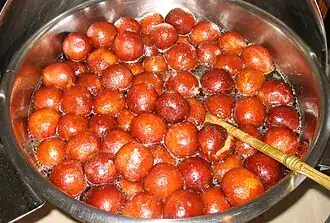
Gulab Jamun (Fried Milk Balls in Syrup)
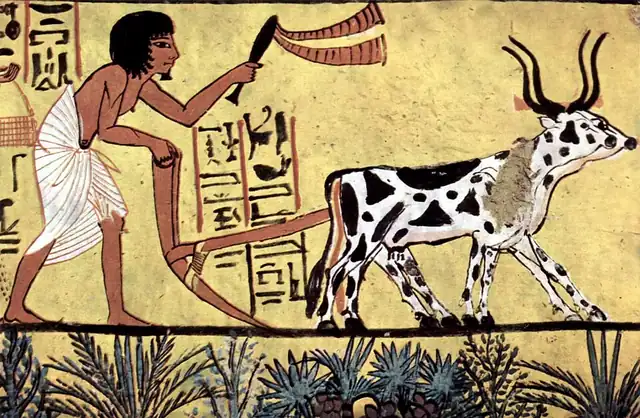
History of agriculture: A Closer Look at Food and How We Eat