The dish is a starting point for exploring a wider food story. The guide below looks more closely at its background and different forms. When you want to cook, visit the recipe collection for ingredient quantities and step-by-step methods.
Overview
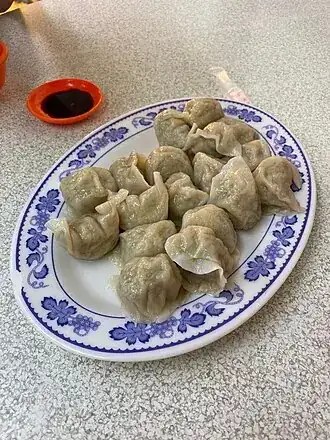
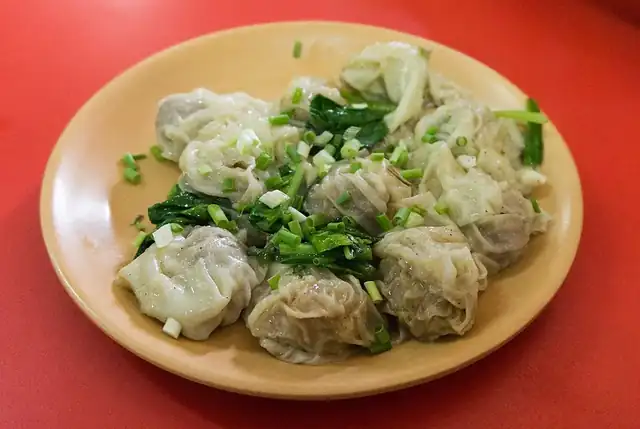
Jiaozi are a type of Chinese dumpling. They typically consist of a ground meat or vegetable filling wrapped into a thinly rolled piece of dough, which is then sealed by pressing the edges together. They can be boiled , steamed , pan-fried , deep-fried , or baked , and are traditionally served with a black vinegar and soy sauce dip. They can also be served in a soup . have great cultural significance within China. They are one of the major dishes eaten during the Chinese New Year throughout northern China and eaten all year round in the northern provinces. Their resemblance to the gold and silver ingots (sycee) used in Imperial China has meant that they symbolize wealth and good fortune.
A Japanese variety of jiaozi is referred to as gyōza. Jiaozi was introduced to Japan by the return of millions of Japanese colonizers from China following the end of World War II (specifically the Second Sino-Japanese War). In the West, pan-fried or may be referred to as potstickers, derived from the Chinese word .
Types
Jiaozi may be divided into various types depending on how they are cooked:
Boiled jiaozi
Steamed jiaozi
Pan-fried jiaozi , also referred to as "pot-stickers" in southern China
Deep-fried jiaozi
Baked jiaozi
Soup dumplings
Jiaozi that use egg rather than dough to wrap the filling are called "egg dumplings" .
Fillings
Common jiaozi meat fillings include chicken, pork, beef, shrimp, and fish which are usually mixed with chopped vegetables. Popular vegetable fillings include napa cabbage, scallion (spring onions), celery, leek, spinach, mushroom, carrot, garlic chives, and edible black fungus.
Folding technique
There are many ways to fold jiaozi. Basically, steps for folding the skin include putting a single pleat in the middle, putting multiple pleats along the edge, making a wavy edge like a pie crust, turning a pleated edge in toward the body resulting in a rounded edge, and putting both ends together resulting in a round shape. Different shapes of jiaozi require different folding techniques, but the most famous and common technique is the pinched-edge fold. Take a wrapper and put one tablespoon of filling into the center of the wrapper. Fold a half of edge to the other half. Use left thumb and forefinger to pinch one side of the half-moon wrapper, and then use right thumb to push the inside skin outward, right forefinger to make outside skin into small pleats.
Use right thumb to clench those pleats. Repeat these steps to the other side of the wrapper, and make sure to clench the seal. This is crescent-shaped jiaozi, the most popular shape in China.
Cantonese
Jiaozi is called gaau ji in Cantonese and is standard fare in dim sum. The immediate noted difference to Northern style is that they are smaller and wrapped in a thinner translucent skin, and usually steamed. The smaller size and the thinner wrapper make the dumplings easier to cook through with steaming. In contrast to jiaozi, Cantonese gaau ji are rarely homemade because the wrapper, which needs to be thin but tough enough to not break, is more difficult to make. Many types of fillings exist, with the most common type being har gow , but fillings can include scallop, chicken, tofu, and mixed vegetables; dim sum restaurants often feature their own house specials or innovations.
Dim sum chefs and artists often use ingredients in new or creative ways, or draw inspiration from other Chinese culinary traditions, such as Chaozhou, Hakka, or Shanghai. More creative chefs may even create fusion gaau ji by using elements from other cultures, such as Japanese (teriyaki) or Southeast Asian (satay or curry), while upscale restaurants may use expensive or exotic ingredients such as lobster, shark fin, and bird's nest.
Another Cantonese dumpling is yau gok , which are made with glutinous rice dough and deep fried.
Guotie (potstickers)
Guotie are a type of northern Chinese dumpling which are popular as a street food, appetizer, or side order. Guotie differ from pan-fried jiaozi, or jianjiao, in that the shape of guotie is usually elongated. In North China, the two ends of the guotie are often left open. Guotie are sometimes served on a dim sum menu, but may be offered independently. The filling for both guotie and jiaozi usually contains pork (sometimes chicken, or beef in Muslim areas), cabbage (or Chinese cabbage and sometimes spinach), scallions (spring or green onions), ginger, Chinese rice wine or cooking wine, and sesame seed oil. In northern China, the guotie is considered a separate type of dumpling from the jiaozi. In southern China, the term "guotie" is often used as a synonym for the pan-fried jiaozi or jianjiao.
In Shanghai guotie refers to a type of dumping, containing only meat, that looks similar to jiaozi but is specifically prepared to be pan fried only and never cooked any other way. In the Western world, jianjiao are often referred to as potstickers because the term was introduced to the West by Buwei Yang Chao's book How to Cook and Eat in Chinese (1949 revised enlarged edition), who hailed from southern China.
Gyōza
Gyōza are a Japanese version of jiaozi, developed from recipes brought back by Japanese colonizers returning from the Japanese-backed puppet state of Manchukuo in Northeast China after World War II. The word gyōza was likely adopted by Japanese settler colonists from the Manchu word giyose. Many Japanese repatriates, already familiar with Chinese cuisine, opened yatai (food stalls) serving ramen and began offering gyōza as a side dish.
The prevalent differences between Japanese-style gyōza and Chinese-style jiaozi are the rich garlic flavor, which is less noticeable in the Chinese version (this is mainly due to the lack of ingredients in Japan and due to the palate of the Japanese people at the time who, unlike the Chinese, did not have a meat-rich diet), and that gyōza wrappers tend to be thinner, due to the fact that most Japanese restaurants use machine-made wrappers. In contrast, the rustic cuisine of poor Chinese immigrants shaped Westerners' views that Chinese restaurant jiaozi use thicker handmade wrappers. As jiaozi vary greatly across regions within China, these differences are not as clear in the country of origin. For example, visitors will easily find thin-skinned jiaozi at restaurants in Shanghai and at street food vendors in the Hangzhou region.
More to savor
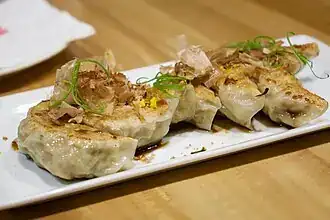
Pork Gyoza
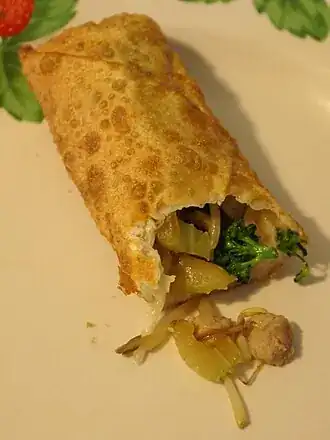
Egg Roll
Wontons: A Small Wrapper with Many Ways to Serve