This longer reference provides the background behind the topic. Read it alongside the recipe collection when you want to connect an ingredient or food idea with a dish to prepare.
In this story
OverviewCharacteristicsPhylogenyDomestication and spreadEast AsiaProductionAs food and drinkOverview
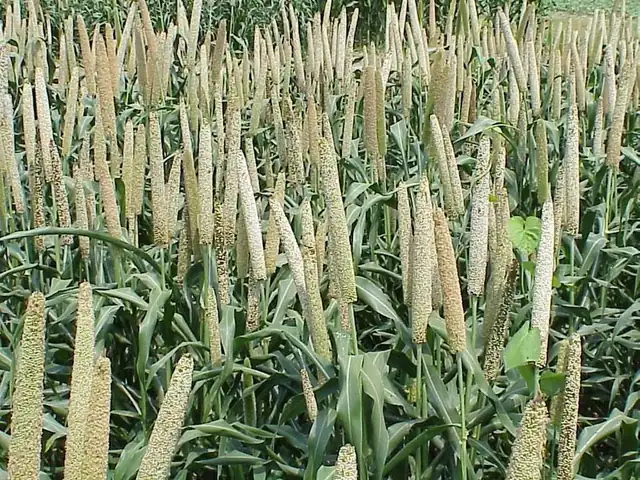
Millets are a highly varied group of small-seeded grasses, widely grown around the world as a staple cereal crop. Similar to maize and oats amongst other major staple grains, millet and millet-based products are used both as fodder for livestock and as food for humans. Most millets belong to the tribe Paniceae.
Accounting for 97% of agricultural output amongst developing countries, millets are important crops in the semi-arid tropics of Asia and Africa, especially in India, Mali, Nigeria, and Niger. The crop is favoured for its productivity and short growing season under hot, dry conditions. The term "millets" sometimes is understood to include the widely cultivated sorghum; apart from that, pearl millet is the most commonly cultivated of the millets. Millets may have been consumed by humans for about 7,000 years and potentially had "a pivotal role in the rise of multi-crop agriculture and settled farming societies".
Characteristics
Millets are small-grained, annual, warm-weather cereals belonging to the grass family. They are highly tolerant of drought and other extreme weather conditions and have a similar nutrient content to other major cereals.
Phylogeny
The millets are closely related to sorghum and maize within the PACMAD clade of grasses, and more distantly to the cereals of the BOP clade such as wheat and barley.
Within the Panicoideae, sorghum (great millet) is in the tribe Andropogoneae, while pearl millet, proso, foxtail, fonio, little millet, sawa, Japanese barnyard millet and kodo are in the tribe Paniceae. Within the Chloridoideae, finger millet is in the tribe Cynodonteae, while teff is in the tribe Eragrostideae.
Domestication and spread
The cultivation of common millet as the earliest dry crop in East Asia has been attributed to its resistance to drought, and this has been suggested to have aided its spread. Asian varieties of millet made their way from China to the Black Sea region of Europe by 5000 BC.
Millet was growing wild in Greece as early as 3000 BC, and bulk storage containers for millet have been found from the Late Bronze Age in Macedonia and northern Greece. Hesiod states that "the beards grow round the millet, which men sow in summer." Millet is listed along with wheat in the third century BC by Theophrastus in his Enquiry into Plants.
East Asia
Proso millet (Panicum miliaceum) and foxtail millet (Setaria italica) were important crops beginning in the Early Neolithic of China. Some of the earliest evidence of millet cultivation in China was found at Cishan, where proso millet husk phytoliths and biomolecular components have been identified around 10,300–8,700 years ago in storage pits along with remains of pit-houses, pottery, and stone tools related to millet cultivation. Evidence at Cishan for foxtail millet dates back to around 8,700 years ago. Noodles made from these two varieties of millet were found in 2005 under a 4,000-year-old earthenware bowl containing well-preserved noodles at the Lajia archaeological site in north China; this was said to be the oldest evidence of millet noodles in China, but in 2010 other Chinese researchers cast doubts on the 2005 findings' methodology, questioning if the noodles were even made of millet.
During the Late Neolithic and Bronze Age, a majority of the cereals consumed during the Zhengluo region (modern Henan) of China were foxtail millet and proso millet. Chinese myths attribute the domestication of millet to Shennong, a legendary emperor of China, and Hou Ji, whose name means Lord Millet.
Palaeoethnobotanists have found evidence of the cultivation of millet in the Korean Peninsula dating to the Middle Jeulmun pottery period (around 3500–2000 BC). Millet continued to be an important element in the intensive, multicropping agriculture of the Mumun pottery period (about 1500–300 BC) in Korea. Millets and their wild ancestors, such as barnyard grass and panic grass, were also cultivated in Japan during the Jōmon period sometime after 4000 BC.
Production
In 2022, global production of millet was 30.9 million tonnes. India is the top millet producer worldwide, with 11.8 million tonnes grown annually – some 38% of the world total and nearly triple its nearest rival. Eight of the remaining nine nations in the top 10 producers are in Africa, ranging from Niger (at 3.7 million tonnes) to Chad (0.7 million tonnes); the sole exception is China, number three in global production, at 2.7 million tonnes.
As food and drink
Per capita consumption of millets as food varies in different parts of the world, with consumption being the highest in Western Africa. Millet has local significance as a food in parts of some countries, such as China, India, Burma and North Korea.
Millet is a staple in the Sahel region of Africa, accounting for a large portion of total cereal food consumption in Burkina Faso, Chad and the Gambia. It can be ground and mixed with milk to make fura and brukina. Countries in Africa where millets are a major food source include Niger and Namibia where it forms over 65% of the cereals eaten; it is significant, too, in Mali, Senegal, Ethiopia, Nigeria and Uganda. Millet is important in the drier parts of many other countries, especially in eastern and central Africa, and in the northern coastal countries of western Africa. Fermented beverages are made with millet in the same regions.
In Ukraine, millet was historically a common ingredient in the diet of the Zaporozhian Cossacks, in the form of a porridge called kulish. This dish, primarily made with millet, served with stewed vegetables and meat, cooked in a cauldron, remains a part of modern Ukrainian cuisine. In Germany, it is eaten sweet, for example with milk and berries for breakfast.
In Russia, millet porridge also remains common and is promoted for its health benefits. Millet porridge made with pumpkin is particularly common. In the Lipetsk Oblast, ritual and daily meals from millet include chichi (чичи), which are millet fritters.
Millet is commonly eaten in India and usually incorporated into dishes as a flour, although consumption is declining. In Karnataka, India, finger millet is made into ragi rotti flatbread and ragi mudde dough lumps. In the Himalayas, including in Nepal, Sikkim, and Darjeeling, millet is fermented into alcoholic beverages such as tongba and raksi. Millet is the main ingredient in bánh đa kê, a Vietnamese sweet snack. It contains a layer of smashed millet and mung bean topped with sliced dried coconut meat wrapped in a crunchy rice cake.
More to savor
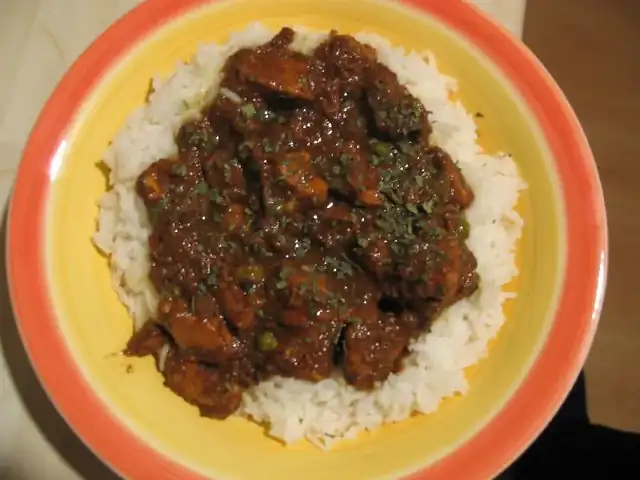
Chicken Vindaloo
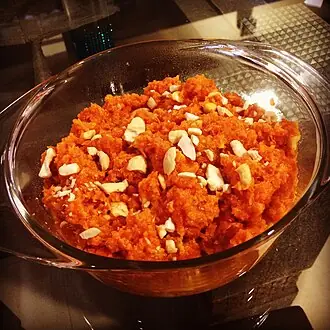
Gajjar Halwa (Carrot Pudding)
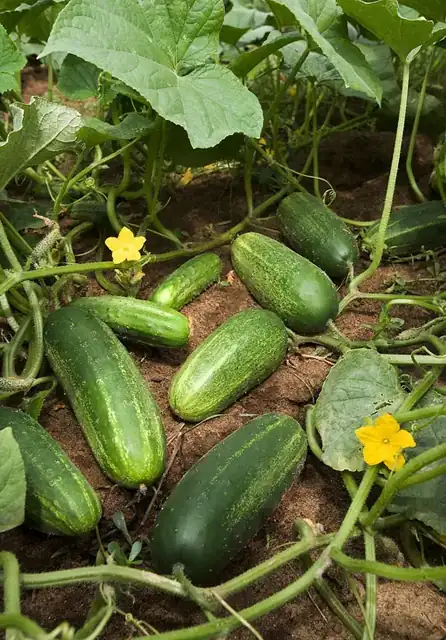
Cucumber in the Kitchen: Exploring an Everyday Ingredient