This longer reference provides the background behind the topic. Read it alongside the recipe collection when you want to connect an ingredient or food idea with a dish to prepare.
In this story
OverviewIngredientsTypes and flavorFermentationCreating kojiStorage and preparationUsageOverview
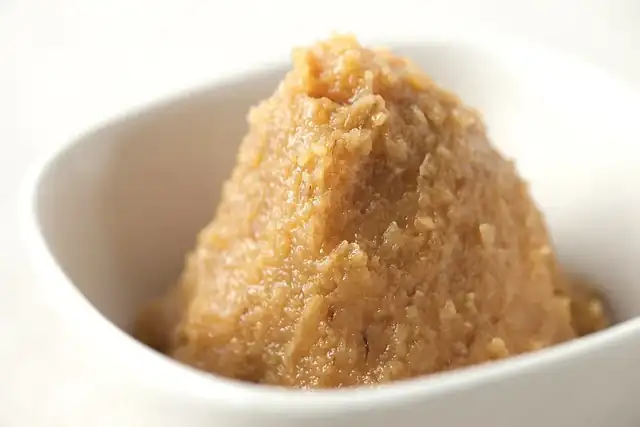
Miso is a traditional Japanese seasoning. It is a thick paste produced by fermenting soybeans with salt and kōji (the fungus Aspergillus oryzae), and sometimes rice, barley, seaweed, or other ingredients. It is used for sauces and spreads; pickling vegetables, fish, or meats; and mixing with dashi soup stock to serve as miso soup, a Japanese culinary staple food. Miso is high in protein and rich in minerals, and it played an important nutritional role in feudal Japan. Miso is widely used in both traditional and modern cooking in Japan, and as of 2018 had been gaining worldwide interest.
Typically, miso is salty, but its flavor and aroma depend on the ingredients and fermentation process. Different varieties of miso have been variously described as salty, sweet, earthy, fruity, or savory.
Ingredients
The ingredients used to produce miso may include any mix of soybeans, barley, rice, buckwheat, millet, rye, wheat, hemp seed, and cycad, among others. Lately, producers in other countries have also begun selling miso made from chickpeas, corn, azuki beans, amaranth, and quinoa. Fermentation time ranges from as little as five days to several years. The variety of Japanese miso is difficult to classify but is commonly done by grain type, color, taste, and background.
barley
whole wheat/barley
brown rice
chunky, healthy (kōji is unblended)
mixed with hot chili pepper for dipping sauce
hemp seed
Types and flavor
Miso's taste, aroma, texture, and appearance vary by region and season. Other important variables that contribute to a particular miso's flavor include temperature, fermentation duration, salt content, variety of kōji, and fermenting vessel. The most common flavor categories of miso are:
Shiromiso (白味噌), "white miso"
Akamiso (赤味噌), "red miso"
Awasemiso (合わせ味噌), "mixed miso"
Although white and red (shiromiso and akamiso) are the most common misos available, different varieties may be preferred in particular regions of Japan. In the eastern Kantō region that includes Tokyo, the darker brownish akamiso is popular while in the western Kansai region encompassing Osaka, Kyoto, and Kobe, the lighter shiromiso is preferred.
A more nuanced breakdown of the flavors is as follows:
Kome miso (米味噌) or "rice miso" can be yellow, yellowish white, red, etc. Whitish miso is made from boiled soybeans, and reddish miso is made from steamed soybeans. Kome miso is consumed more in eastern Japan and the Hokuriku and Kinki areas.
Fermentation
Miso's unique properties and flavor profile can be attributed to the compounds produced through the fermentation process. Miso, depending on the variety, consists of a starter culture called kōji (麹), soybeans, and usually a grain (either rice, barley, or rye). The miso goes through a two-step process; first creating the kōji, and second the kōji is combined with the other components, and the mixture is left to be enzymatically digested, fermented and aged.
Creating koji
Koji is produced by introducing the mold Aspergillus oryzae onto steamed white rice. This mold culture comes from dried A. oryzae spores called tane-kōji (種麹, たねこうじ) or "starter koji" and is isolated from plant matter (usually rice) and cultivated. In the past, the natural presence of A. oryzae spores was relied upon to create koji, but because of the difficulty of producing the culture, tane-kōji is added almost universally in both industrial and traditional production of miso. Tane-kōji is produced much in the same way as koji, but also has a small portion of wood ash added to the mixture which gives important nutrients to the fungus as well as promoting sporulation.
A. oryzae is an aerobic fungus and is the most active fermenting agent in koji as it produces amylolytic, and proteolytic enzymes which are essential to creating the final miso product. Amylolytic enzymes such as amylase aid in the breakdown of starch in the grains to sugar and dextrin, while proteolytic enzymes such as protease catalyze the breakdown of proteins into smaller peptides or amino acids. These both aid in the enzymatic digestion of rice and soybeans. Depending on the strain of A. oryzae, the enzymatic composition varies, thereby changing the characteristics of the final miso product. For example, the strain used to create the sweeter white miso would likely produce a higher content of amylolytic enzymes, while comparatively, soybean miso might have a higher content of proteolytic enzymes.
To create optimal conditions for enzymatic production and the growth of A. oryzae, the koji's environment must be carefully regulated. Temperature, humidity, and oxygen content are all important factors in maximizing mold growth and enzyme production and preventing other harmful bacteria from producing. Once the koji has reached a desirable flavor profile, it is usually mixed with salt to prevent further fermentation.
Although other strains of fungi have been used to produce koji, A. oryzae is the most desirable because of several properties, including the fact that it does not produce aflatoxin.
Storage and preparation
Miso typically comes as a paste in a sealed container requiring refrigeration after opening. Natural miso is a living food containing many beneficial microorganisms such as Tetragenococcus halophilus, which can be killed by overcooking. For this reason, the miso should be added to soups or other foods prepared just before they are removed from the heat. Using miso without any cooking may be even better.
Usage
Miso is a part of many Japanese-style meals. It most commonly appears as the main ingredient of miso soup, which is eaten daily by much of the Japanese population. The pairing of plain rice and miso soup is a fundamental unit of Japanese cuisine. This pairing is the basis of a traditional Japanese breakfast.
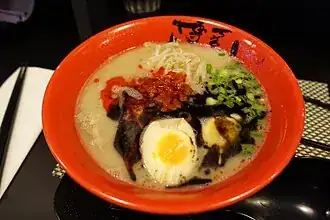
Miso is used in many other types of soup and soup-like dishes, including some kinds of ramen, udon, nabe, and imoni. Generally, such dishes have the title miso prefixed to their name (for example, miso-udon) and have a heavier, earthier flavor and aroma than other Japanese soups that are not miso-based.
Many traditional confections use a sweet, thick miso glaze, such as mochi and dango. Miso-glazed treats are strongly associated with Japanese festivals, although they are available year-round at supermarkets. The consistency of miso glaze ranges from thick and taffy-like to thin and drippy.
Soybean miso is used to make a type of pickle called misozuke. These pickles are typically made from cucumber, daikon, napa cabbage, or eggplant, and are sweeter and less salty than the standard Japanese salt pickle.
Other foods with miso as an ingredient include:
dengaku (miso sweetened with molasses used for grilling)
More to savor

Chicken Vindaloo
Tonkotsu Ramen
Getting to Know Cardamom: A Food Lover’s Guide