This longer reference provides the background behind the topic. Read it alongside the recipe collection when you want to connect an ingredient or food idea with a dish to prepare.
In this story
OverviewPreparation and consumptionMole verde (green mole)ChimoleMole rojoOaxacaAs a common dishOverview
Mole (often hyperforeignized in English menus as to distinguish from another homograph for the animal mole) or mōlli (from Nahuatl ) is a traditional sauce and marinade originally used in Mexican cuisine. In contemporary Mexico, the term is used for numerous sauces, including some fifty distinct varieties of mole across Mexico. Generally, a mole sauce contains fruits, nuts, chili peppers, and spices like black pepper, cinnamon, or cumin.
Pre-Hispanic Mexico showcases the role of chocolate, primarily as a beverage rather than a confection. Although modern culinary practices emphasize its versatility, historical evidence indicates that chocolate was most likely a later addition.
While not moles in the classic sense, there are some dishes that use the term in their name. Mole de olla is a stew made from beef and vegetables, which contains guajillo and ancho chili, as well as a number of other ingredients found in moles.
Preparation and consumption
All mole preparations begin with one or more types of chili pepper.
The classic moles of Central Mexico and Oaxaca, such as mole poblano and mole negro, include two or more of the following types of chili pepper: ancho, pasilla, mulato and chipotle. Other ingredients can include black pepper, achiote, huaje, cumin, clove, anise, tomato, tomatillo, garlic, sesame seed, dried fruit, herbs like hoja santa, and many other ingredients. Mole poblano has an average of 20 ingredients; mole almendrado has an average of 26, and Oaxacan moles can have over 30. Chocolate, if used, is added at the end of cooking. According to Rick Bayless, the ingredients of mole can be grouped into five distinct classes: hot (chili), sour (tomatillo), sweet (fruit and sugar), spice, and thick (seed, nut, tortilla).
The preparation of mole negro includes charring several of the ingredients, and a greater amount of chocolate, both of which lead to a black colour.
The ingredients are roasted and ground into a fine powder or paste. This roasting and grinding process is extremely laborious and takes at least a day to accomplish by hand. Traditionally, this work was shared by several generations of women in the family, but after the arrival of electric mills, it became more common to take the ingredients to be ground. Many families have their own varieties of mole passed down for generations, with their preparation reserved for special events in large batches.
Mole verde (green mole)
The main ingredients in mole verde are pumpkin seeds and green chili, which give color. Other ingredients may be green tomatoes, poblano, chile de árbol, tails onion, radish leaves, puñeton cilantro, lettuce, chard, parsley, epazote, onion, garlic, chicken broth, and a few bolillos or tortillas. This is a traditional recipe that varies depending on the region of the country where it is prepared.
The ingredients are chopped (except the pumpkin seeds) and ground. This preparation is gently fried in a pan with lard or vegetable oil. The seeds are ground with chicken broth or water and incorporated into the above, taking care of the amount to be added to achieve the desired consistency. This mole is served with chicken or pork and can be accompanied by red or white rice or beans.
Chimole
Chimole is common in Yucatán, and Belize. It is also known as "Black Dinner" because of its dark appearance. It is usually made from bone-in chicken or relleno, onions, carrots, boiled eggs that are added at the last minute, and occasionally peppers or tomatoes, as well as some black recado (achiote paste, made from pounded annatto seeds, blackened corn tortillas, and a blend of spices/aromatics used in Maya cuisine), in blocks. It is eaten with corn/flour tortillas.
Mole rojo
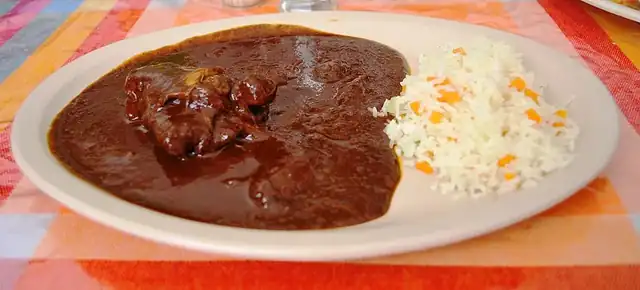
Mole rojo (red mole) is a traditional Mexican sauce known for its deep red color, rich flavor, and complex blend of dried chiles, spices, nuts, seeds, and sometimes fruit or chocolate. It is one of the many regional varieties of mole. Michoacán-style mole rojo emphasizes dried peppers and nuts, while Oaxacan mole rojo may include more spices and chocolate. It is cherished for its bold taste and festive use, with a smoky, earthy, and slightly sweet flavor, a thick, velvety texture and layered complexity from slow simmering and ingredient blending. It is commonly served over chicken, pork, or turkey, used in enchiladas de mole rojo. It is accompanied by rice, tortillas, or tamales.
Oaxaca
Oaxaca has been called "the land of the seven moles". Its large size, mountainous terrain, variety of indigenous peoples, and many microclimates make for numerous regional variations in its food. From this has come moles amarillo, chichilo, colorado, estofado, manchamantel, negro, rojo and verde, all differently colored and flavored, based on the use of distinctive chilis and herbs. Manchamantel, a chicken and fruit stew, is questioned by some such as Susana Trilling in her book My Search for the Seventh Mole: A Story with Recipes from Oaxaca, Mexico, whether it is a true mole. In addition, those from Puebla claim this dish as their own.
Different regions of Oaxaca also have unique moles, such as mole blanco or mole de movia from the Mixteca, and mole costeño from the coast.
As a common dish
Mole is one of the most representative dishes of Mexico, especially for major celebrations. Ninety-nine percent of Mexicans have tried at least one type of mole.
The consumption of mole is associated with celebrations. In Mexico, to say "to go to a mole" (ir a un mole) means to go to a wedding. Mole has a strong flavor, especially the dark ones, and is considered to be an acquired taste for most. This has spawned another saying, (estar) en su mero mole, which means something like "(to be) one's cup of tea" or "(to be) in one’s element".
To promote their regional versions of the sauce, several Mexican places host festivals dedicated to it. The Feria Nacional del Mole (National Festival of Mole) was begun in 1977 in San Pedro Atocpan, and is held each year in October. The four restaurants there decided to take advantage of the festival of the Señor de las Misericordias (Lord of the Mercies) to promote their moles. Some 37 restaurants and mole producers now participate in the event.
More to savor

Chicken Vindaloo
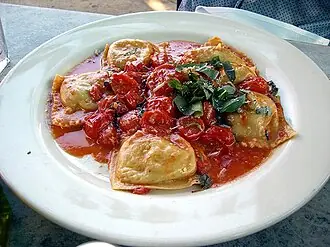
Marinara Sauce
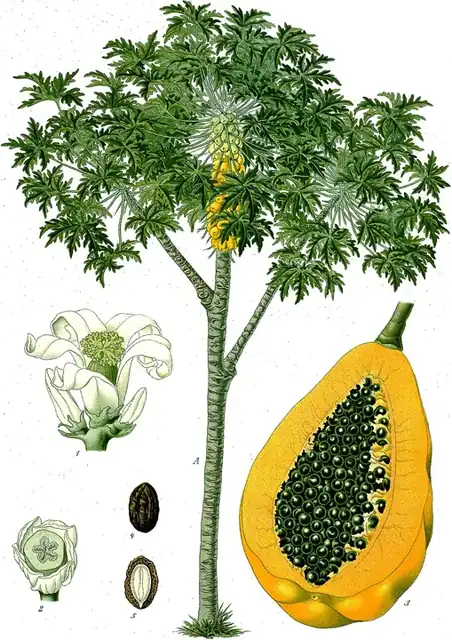
Papaya in the Kitchen: Exploring an Everyday Ingredient