Use the regional background below as a starting point for exploring the food, rather than expecting one dish to represent every household. Food traditions differ within a country and continue to change through travel, migration, and everyday cooking.
In this story
OverviewMāori cuisineMāori cuisine todayNew Zealand European cuisineBritish Isles settler foodOther cuisines in New ZealandContemporary cuisineOverview
The cuisine of New Zealand has historical influences from British cuisine and Māori culture. As an island nation with a primarily agricultural economy, New Zealand yields produce from land and sea.
Similar to the cuisine of Australia, the cuisine of New Zealand is a diverse British-based cuisine, with Mediterranean and Pacific Rim influences as the country has become more cosmopolitan. Since the 1970s, new culinary influences such as New American, Southeast Asian, East Asian, and South Asian food have become popular.
Māori cuisine
When the Māori arrived in New Zealand from tropical Polynesia, they brought a number of food plants, including kūmara, taro, uwhi (ube, purple yam), hue and tī-pore, most of which grew well only in the north of the North Island. Kūmara could be grown as far south as the northern South Island, and became a staple food as it could be stored over the winter. Native New Zealand plants such as fernroot became a more important part of the diet, along with insects such as the huhu grub. Earthworms, called noke, are a part of the traditional Māori diet as well. Problems with horticulture were made up for by an abundance of bird and marine life. The large, flightless moa was soon hunted to extinction for food and tools as well.
Rāhui, or resource restrictions, included forbidding the hunting of certain species in particular places or at certain times of year to allow populations to be maintained. Seafood consumed included kōura or freshwater crayfish, pāua or abalone, and tio or bluff oysters. The discovery of Typha orientalis led to the creation of a gritty unleavened bread made laboriously from its dried pollen called pungapunga.
Māori cuisine today
Present-day Māori cuisine is a mixture of Māori tradition, old-fashioned English cookery, and contemporary dishes. Some Māori names for consumables, like pāua (also prized for its shell), have entered common New Zealand English usage.
Most large Māori gatherings feature a hāngī, which is likely to contain foods brought to New Zealand by Māori and by pākehā. In recent decades, there has been much concern that Māori are disproportionately likely to suffer from obesity, heart disease, and diabetes as a result of eating habits.
Two dishes regarded as distinctively Māori are the boil-up—made of pork, potatoes, kūmara, and dumplings—and pork and pūhā (sow thistle), which combine introduced and indigenous foods. Both dishes owe much to nineteenth-century British cooking methods.
New Zealand European cuisine
The majority of New Zealanders are Pākehā of British descent, so British cuisine has been very influential.
British Isles settler food
Nineteenth-century British settlers in New Zealand tried as much as possible to reproduce the foods of their homeland. In the early stages of colonisation this was difficult as many ingredients were unavailable. They ate native birds and fish, and used local ingredients in substitution for those which were unavailable, for example brewing tea and beer using unconventional plants. Most of these innovations were abandoned as the New Zealand British population increased and conventional ingredients began to be mass-imported or produced in New Zealand. One innovation which was commonly served on New Zealand tables until the mid-1980s was colonial goose, a stuffed leg of lamb which substituted for goose. A major difference between British and New Zealand British food was that meat was much more readily available to all social classes in New Zealand.
Whereas in nineteenth-century Britain, labourers ate meat in very small quantities, in New Zealand they could have it for every meal. Since meat was a high-status food in Britain, British settlers in New Zealand ate vast quantities of it. Dishes such as fish and chips and meat pies remain popular in both the United Kingdom and New Zealand.
Other cuisines in New Zealand
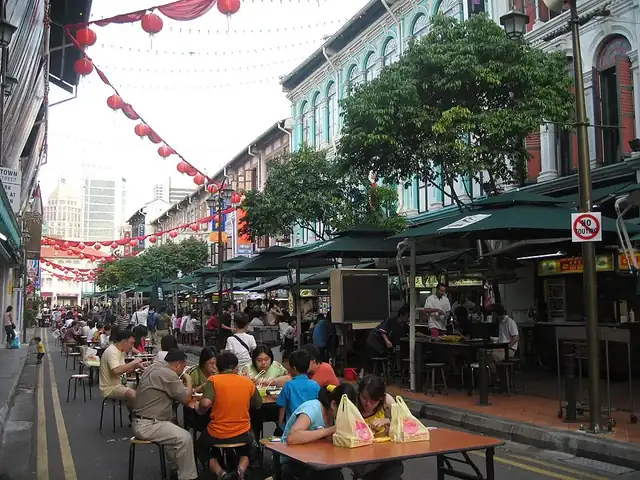
People from many different backgrounds have settled in New Zealand, and many have tried to reproduce their native cuisines or national dishes in New Zealand. Similar to early Pākehā settlers, this often proved difficult. Larger ethnic groups, such as the Chinese, were able to import some ingredients, but often dishes had to be modified to use local ingredients. Ethnic restaurants have served as community meeting places and have also given other New Zealanders a chance to try different cuisines. However, for most of its history there were few ethnic restaurants in New Zealand other than inauthentic Chinese, Indian and Italian eateries.
The Immigration Act 1986 completely abolished nationality preference for immigration, and immigration from East Asia, Southeast Asia and South Asia has greatly increased since. Many of these immigrants have brought their cuisines to New Zealand, and often opened ethnic restaurants and takeaway eateries, giving New Zealanders a chance to try more authentic editions of Japanese, Thai, Malay, regional Chinese, Indian, and other Asian cuisines. Over time these ethnic cuisines have been gradually accepted by Pākehā and Māori New Zealanders. Consequently, most New Zealand cities have a wide variety of ethnic restaurants, and foods such as kebabs, couscous, and sushi are served virtually everywhere.
Contemporary cuisine
As a result of various developments, the cuisine of New Zealand in the 21st century is in a state of flux: cosmopolitan Pacific Rim fare's reign is now the norm in much of metropolitan eating-out scenes, and traditional hearty settlers' food, now dubbed 'Kwisine Kiwiana', but reinterpreted through Pacific Rim cooking knowledge, is a popular cooking style for eating-out scenes even in the most remote rural regions. Most of the home cooking prepared at households in Auckland is now a mix of traditional Kiwiana dishes heavily modified by Mediterranean and Asian techniques and ingredients, and adapted versions of Mediterranean, Chinese, and Indian dishes. In the more culturally traditional parts of the country, such as rural Canterbury and the West Coast, however, traditional Kiwiana fare is still the norm at many homes.
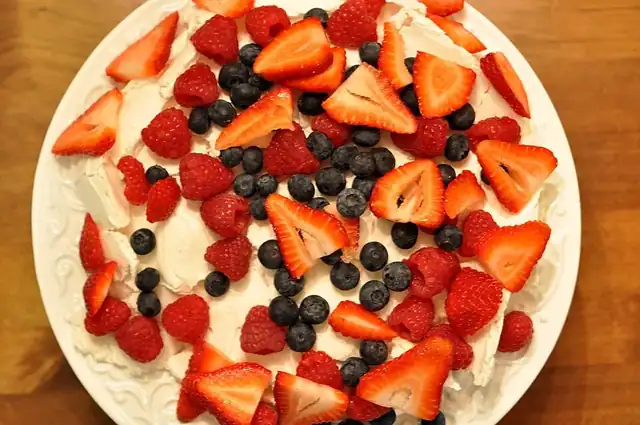
Certain vestiges of traditional Kiwiana dishes remain popular throughout the country, such as fish and chips, meat pies, custard squares, pavlova, and others. An active nostalgia movement supports the traditional Kiwiana cuisine, as spearheaded by the popularity of the television series Kiwi Kitchen presented by Richard Till, which is believed to be a public response to a common perception that the traditional Kiwiana dishes are disappearing from the New Zealand tables. Home baking is particularly believed to be the last bastion of New Zealand cuisine still unaffected by international trends.
More to savor
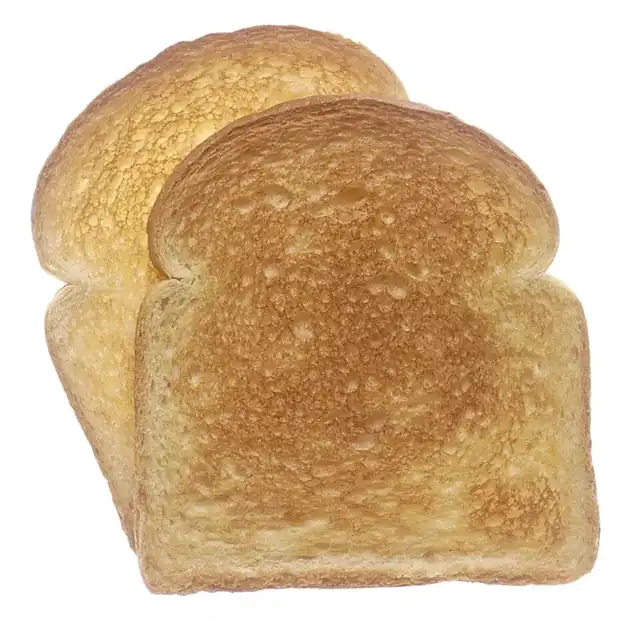
Toast
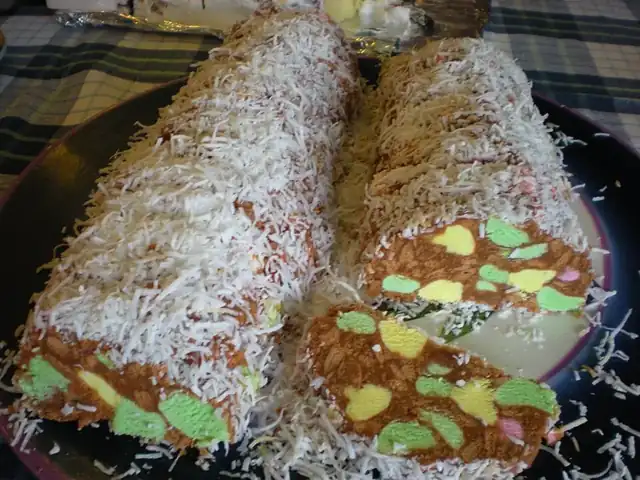
Lolly Cake
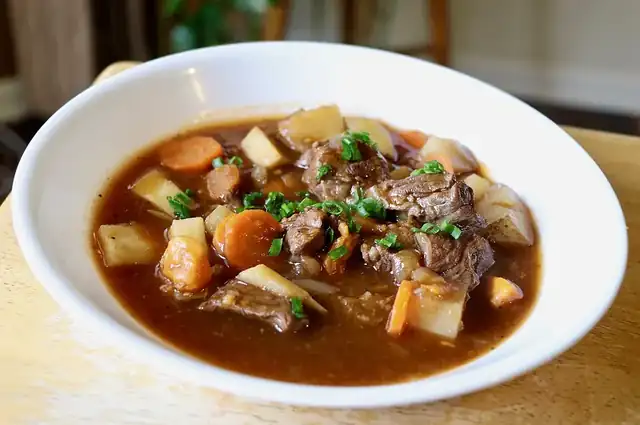
A Taste of Ireland: The Cooking Traditions Behind the Plate