This longer reference provides the background behind the topic. Read it alongside the recipe collection when you want to connect an ingredient or food idea with a dish to prepare.
In this story
OverviewFunctionComposed saucesSweet saucesAmericanBritishFor meats, fish and vegetablesFor pastaDessertOverview
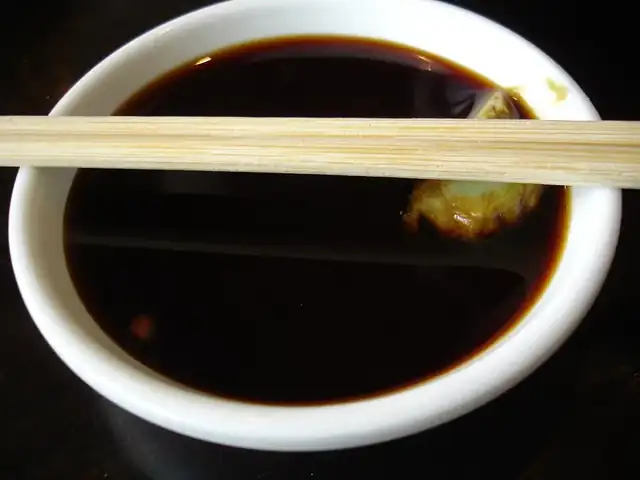
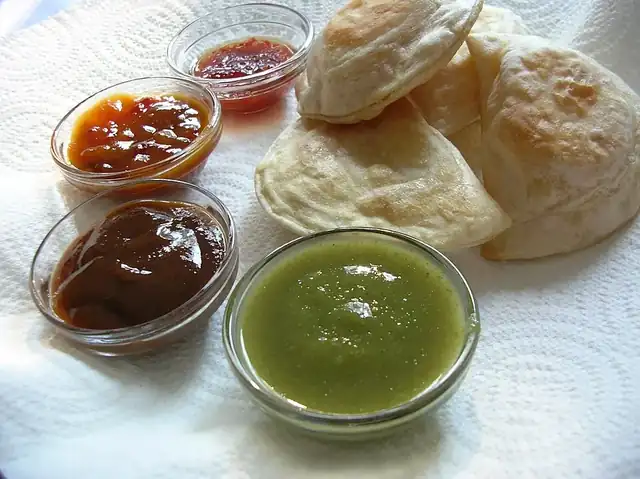
In cooking, a sauce is a liquid, cream, or semi-solid food, served on or used in preparing other foods. Most sauces are not normally consumed by themselves; they add flavour, texture, and visual appeal to a dish. Sauce is a French word probably from the post-classical Latin salsa, derived from the classical salsus 'salted'. Possibly the oldest recorded European sauce is garum, the fish sauce used by the Ancient Romans, while doubanjiang, the Chinese soy bean paste, is mentioned in Rites of Zhou 20.
Sauces are an essential element in cuisines all over the world, and may be used for sweet or savory dishes. They may be prepared and served cold, like mayonnaise, prepared cold but served lukewarm like pesto, cooked and served warm like bechamel or cooked and served cold, like apple sauce. They may be freshly prepared by the cook, especially in restaurants, but today many sauces are sold premade and packaged like Worcestershire sauce, HP Sauce, soy sauce or ketchup. Sauces for salad are called salad dressing. Sauces in Chinese and Indian cuisine are made for curries.
A chef who specializes in making sauces is called a saucier.
Function
Sauces are used as accompaniments to improve the flavor of a dish. They may do this by deepening the flavor already present in ingredients or by providing pleasing complementary or contrasting flavors. Cultures around the world employ other accompaniments to the same effect, for instance relishes and stews, the latter seen in the Ethiopian wat accompanying injera flatbreads.
Cooking and then serving a sauce with a dish (a composed sauce) is predominantly a Western, particularly French, concept. With the exception of pasta, sauces in western cooking generally accompany meats and other proteins that have been subject to a simple cooking process such as frying. In Asia, sauces are integrated into the dish, seen in curries, or are used as a condiment, as in fish sauce.
Composed sauces
Composed sauces are made in the kitchen, and are particularly important in classical French cuisine. Such sauces may be uncooked mixtures, for instance pesto and skordalia, or cooked, seen in Hollandaise and white sauces. They always contain basic seasonings, and in more intricate preparations include condiments and an intensified element of the ingredient being accompanied (for example, a sauce accompanying a steak incorporating meat juices released during cooking). A sauce made from the last is known as an integral sauce. Several basic cooked preparations, such as stocks, demi-glace and espagnole sauce may be preprepared and included in cooked sauces; these often are attempts to resemble a sauce made from an intensified element of the accompanied ingredient.
Sweet sauces
Sauces are served hot and cold in several desserts. As with savory sauces, sweet sauces are used to intensify the flavors they accompany, but they also are used to generate various contrasting elements: a tart lemon sauce is frequently paired with a sweet white chocolate mousse, smooth sauces often provide textual contrast with crunchy pastry, and in hot fudge sundaes, a warm sauce functions as a counterpoint to the chilled ice cream.
American
Sauces popular in America include prepared cold condiments like ketchup, mustard, mayonnaise, tartar sauce, cocktail sauce, various hot (spicy) sauces, and a variety of salad dressings, often used for dishes other than salad. Barbecue sauce is used both as a condiment and as an ingredient in some varieties of barbecue.
Hot sauces include gravy, and tomato sauce, often served with pasta. White (béchamel) sauce is widely used as an ingredient.
Dessert sauces include fudge sauce, butterscotch sauce, hard sauce (which is not liquid), and many others.
British
In traditional British cuisine, gravy is a sauce used on roast dinner. The sole survivor of the medieval bread-thickened sauces, bread sauce is one of the oldest sauces in British cooking. Apple sauce, mint sauce and horseradish sauce are used on meat (usually on pork, lamb and beef respectively). Redcurrant jelly, mint jelly, and white sauce may also be used. Salad cream is sometimes used on salads. Tomato ketchup and brown sauce are used on fast-food-type dishes. Mushroom ketchup and strong English mustard are also used on various foods, as is Worcestershire sauce. Custard is a popular dessert sauce.
Other popular sauces include Marie Rose sauce (as used in a prawn cocktail), whisky sauce (for serving with haggis), Albert sauce (horseradish sauce to enhance flavour of braised beef) and cheddar sauce (as used in cauliflower or macaroni and cheese). In contemporary British cuisine, owing to the wide diversity of British society today, there are also many sauces that are of British origin but based upon the cuisine of other countries, particularly former colonies such as India.
For meats, fish and vegetables
Examples are:
Besciamella from Tuscany and Emilia-Romagna
Bagna càuda from Piedmont
Salmoriglio from Sicily
Gremolata from Milan
Salsa verde from Emilia-Romagna and Tuscany
For pasta
There are thousands of such sauces, and many towns have traditional sauces. Among the internationally well-known are:
Ragù alla Bolognese from Bologna
Pesto from Genoa
Carbonara and amatriciana from Lazio
Ragù alla Napoletana from Campania
Dessert
Zabaione from Piedmont
Crema pasticciera made with eggs and milk and common in the whole peninsula
"Crema al mascarpone" used to make Tiramisù and to dress panettone at Christmas and common in the North of the country.
More to savor
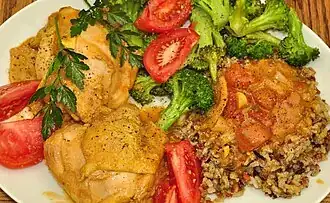
Coconut Chicken

South Indian Millet Swallow (Mudde)

Pasteurization: A Closer Look at Food and How We Eat