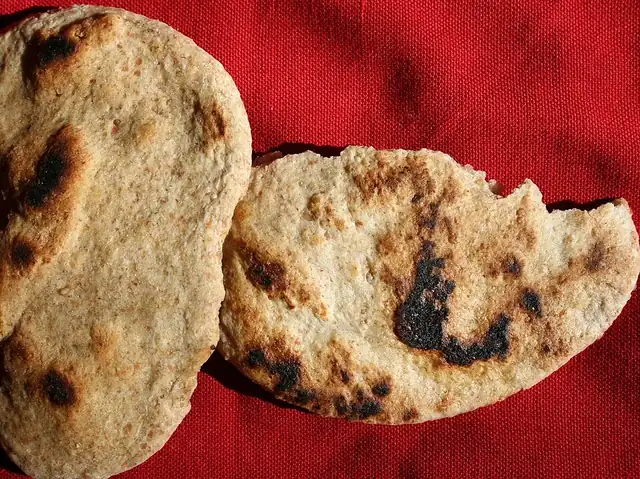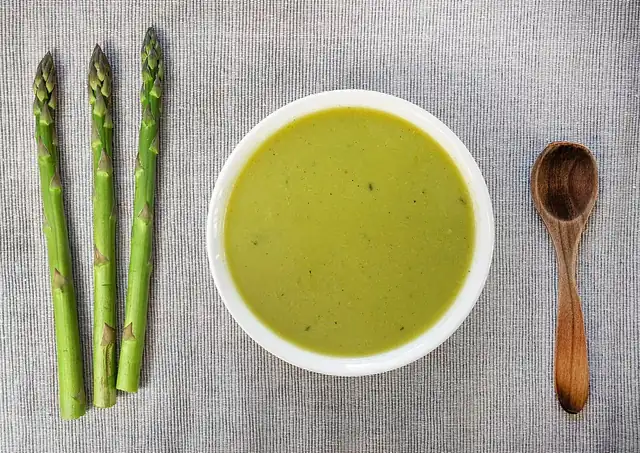
The dish is a starting point for exploring a wider food story. The guide below looks more closely at its background and different forms. When you want to cook, visit the recipe collection for ingredient quantities and step-by-step methods.
In this story
OverviewNameSoup for the poorCold soupsSweet soupsSour soupsPortable, tinned and dried soupsOverview
Soup is a primarily liquid food, generally served warm or hotthough it is sometimes served chilledmade by cooking or otherwise combining meat or vegetables with stock, milk, or water. According to The Oxford Companion to Food, soup is the main generic term for liquid savoury dishes; others include broth, bisque, consommé, potage and many more.
The consistency of soups varies from thin to thick: some soups are light and delicate; others are so substantial that they verge on being stews. Soups may be savoury or sweet.
Soups have been made since prehistoric times and have evolved over the centuries. The first soups were made from grains and herbs; later, legumes, other vegetables, meat, or fish were added. Originally, sops referred to pieces of bread covered with savoury liquid; gradually the term soup was transferred to the liquid itself. Soups are common to the cuisines of all continents and have been served at banquets as well as in peasant homes. Soups have been the primary source of nourishment for poor people in many places; in times of hardship soup kitchens have provided sustenance for the hungry.
Name
The term soup, or words like it, can be found in many languages. Similar terms include the Italian zuppa, the German Suppe, the Danish suppe, the Russian суп (pronounced "soup"), the Spanish and Portuguese sopa and the Polish zupa. According to The Oxford Companion to Food, "soup" is "the most general of the terms which apply to liquid savoury dishes"; other terms embraced by soup include broth, bisque, bouillon, consommé, potage, and many more.
According to the lexicographer John Ayto, "the etymological idea underlying the word soup is that of 'soaking'". In his 2012 The Diner's Dictionary Ayto writes that the word dates back to an unrecorded post-classical Latin verb suppare"to soak", which was derived from the prehistoric Germanic root "sup–", which also produced the English "sup" and "supper". The term passed into Old French as soupe, meaning a piece of bread soaked in liquid" and, by extension, "broth poured on to bread". The earliest recorded use in English of "sop" in the first sense dates from 1340.
Soup for the poor
In the OCF Alan Davidson writes that although soup is now typically served as the first of several courses in western menus, in many places around the world substantial soups have historically been an entire meal for poorer people, particularly in rural areas. Many Russian peasants subsisted on rye bread and soup made from pickled cabbage.
Charitable soup-kitchens preparing soup and supplying it to the needy, either free or at a very low charge, were known in the Middle East in the sixteenth century. From the late eighteenth century, soup-kitchens (in German Suppenküche, in French, soupes populaires) were set up in Germany, France, England and elsewhere. In the 1840s the chef Alexis Soyer established a soup-kitchen in the East End of London to feed Huguenot silk weavers impoverished by cheap imports. During the Irish famine, which began in 1845, he set up a kitchen in Dublin capable of feeding a thousand people an hour.
In the United States soup-kitchens were set up in the 1870s. During the Great Depression, Al Capone established and sponsored a soup-kitchen in Chicago. In the same period the Salvation Army ran similar operations elsewhere in the US and in Canada, Australia and Britain.
Cold soups
Cold soups are a particular variation on the traditional soup. Two well-known chilled soups are the Franco-American vichyssoise and the Spanish gazpacho. The Oxford English Dictionary defines the former as "A soup made with potatoes, leeks, and cream, usually served chilled", and the latter as "A cold Spanish vegetable soup consisting of onions, cucumbers, pimentos, etc., chopped very small with bread and put into a bowl of oil, vinegar, and water".
Sweet soups
Many ancient cuisines developed versions of fruit soup: either fruits were added to a grain-based pottage or the soup consisted mostly of fruit flavoured with various spices. The soups were made from whatever fruit was ready for harvest locally or from dried fruit. Fruit soups remain well known in Germany and Nordic countries: although they may sometimes be served at the beginning of a meal they are sweet dishes. Davidson instances rødgrød, also known as rote Grütze, a red berry soup popular in Denmark, other parts of Scandinavia and Germany, sitruunakeitto, a creamy lemon soup from Finland, and the Middle Eastern khoshab, made with dried fruits. Other fruits used to make sweet soups include apples, blueberries, cherries, gooseberries, rhubarb and rose-hips.
Sour soups
Davidson mentions a category, "sour soups", important in northern, eastern and central Europe. Some have a fermented beer base or use Sauerkraut, others are soured with vinegar, pickled beetroot, lemon or yoghurt. Examples include sinigang, chorba, a meat and vegetable soup found in many countries of eastern Europe, north Africa and Asia, and sop ikan pedas, a fish soup from Indonesia. Żurek, from Poland, is a sour bread soup based not on meat or vegetable stock but on fermented cereal such as rye. According to a Polish cookery book, "it is always sour, salty, and creamy at the same time".
Portable, tinned and dried soups
Food preservation has, in Clarkson's phrase, "always been a preoccupation of the human animal", allowing food to be kept for long periods. In her Domestic Cookery (1806), Maria Rundell gave a recipe for "Portable Soupa very useful thing"highly concentrated meat stock that set to a solid consistency: for a bowl of soup it was only necessary to dissolve some in hot water. By the beginning of the nineteenth century the Royal Navy had been victualling its ships with portable soup for some years. Recipes were published under many names; Clarkson lists "veal glew", "cake soup", "cake gravey", "broth cakes", "solid soop", "portmanteau pottage", "pocket soup", "carry soup and "soop always in readiness".
In 1810 Peter Durand, an English inventor, was granted a patent for the first tin can for soup. The first commercial canning factory opened in England in 1813; it had a capacity of only six cans an hour; each can was cut by hand, filled and the lid soldered on individually. With advances in technology the canning of food had expanded by the end of the century and companies such as Heinz were promoting their soups as gourmet products indistinguishable from home-made versions. Canning made soup readily available, easily transportable, long-lasting and convenient.
More to savor
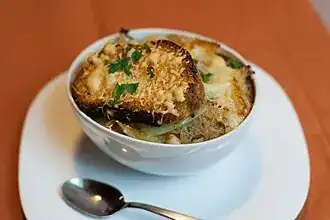
French Onion Soup
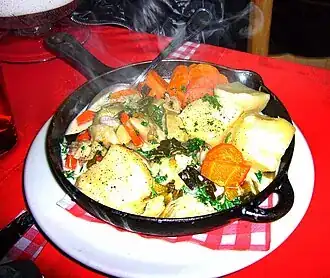
Waterzooi
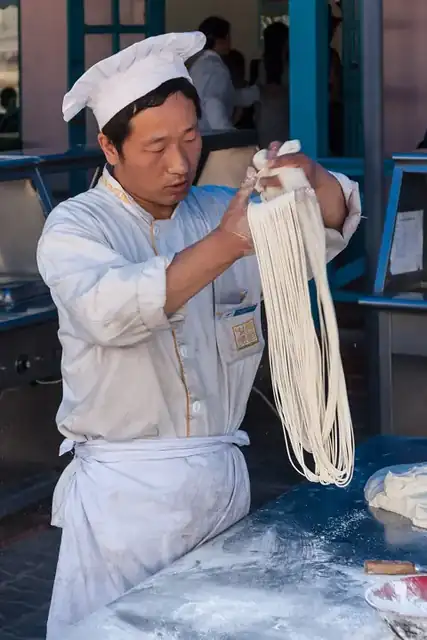
Noodles Around the World: A Strand of Everyday Food Culture