What we eat is only part of the story of a meal. The setting, the way food is served, and the habits around the table can be just as revealing. The guide below follows the subject in more detail.
In this story
OverviewEuropeAmericasAsiaAround the worldCultural and economic aspectsHealth and safetyOverview
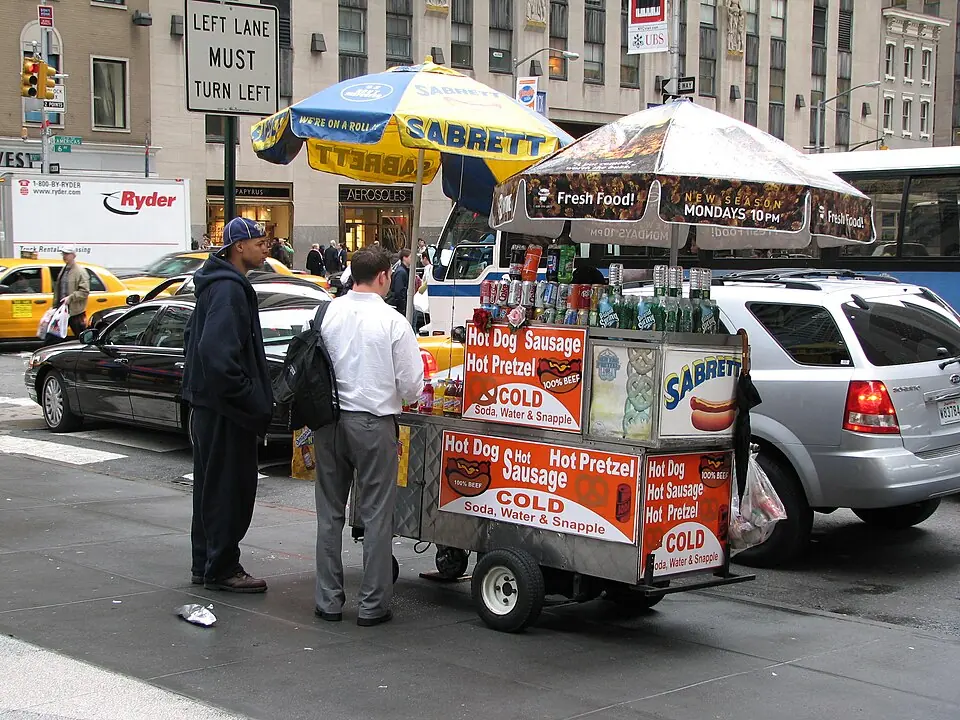
Street food is food sold by a hawker or vendor on a street or at another public place, such as a market, fair, or park. It is often sold from a portable food booth, food cart, or food truck and is meant for immediate consumption. Some street foods are regional, but many have spread beyond their regions of origin. Most street foods are classified as both finger food and fast food, and are generally cheaper than restaurant meals. The types of street food vary between regions and cultures in different countries around the world. According to a 2007 study from the Food and Agriculture Organization, 2.5 billion people eat street food every day.
While some cultures consider it to be rude to walk on the street while eating, a majority of middle- to high-income consumers rely on the quick access and affordability of street food for daily nutrition and job opportunities, particularly in developing countries.
Europe
In ancient Greece, small fried fish was a street food; however, the Greek philosopher Theophrastus held the custom of street food in low regard. Evidence of a large number of street food vendors was discovered during the excavation of Pompeii. Street food was widely consumed by poor urban residents of ancient Rome whose tenement houses did not have ovens or hearths. Chickpea soup with bread and grain paste were common meals.
A travelling Florentine reported in the late 14th century noted that in Cairo, people brought picnic cloths made of rawhide to spread on the streets and sit on while they ate their meals of lamb kebabs, rice, and fritters they purchased from street vendors. In Renaissance Turkey, many crossroads had vendors selling "fragrant bites of hot meat," including chicken and lamb that had been spit-roasted. In 1502, Ottoman Turkey became the first country to legislate and standardize the sale of street food.
Americas
Aztec market places had vendors who sold beverages such as atolli ("a gruel made from maize dough"), almost 50 types of tamales (with ingredients ranging from the meat of turkey, rabbit, gopher, frog and fish to fruits, eggs and maize flowers), as well as insects and stews. Spanish colonization brought European food stocks like wheat, sugarcane and livestock to Peru, but most commoners continued to primarily eat their traditional diets. Imports were only accepted at the margins of their diet, for example, grilled beef hearts sold by street vendors. Some of Lima's 19th-century street vendors such as "Erasmo, the 'negro' Sango vendor" and Na Agardite are still remembered today.
During the American Colonial period, "street vendors sold oysters, roasted corn ears, fruit, and sweets at low prices to all classes." Oysters, in particular, were cheap and popular street food until around 1910 when overfishing and pollution caused prices to rise. Street vendors in New York City faced considerable opposition. After previous restrictions had limited their operating hours, street food vendors were completely banned in New York City by 1707. Many women of African descent made their living selling street foods in America in the 18th and 19th centuries, with products ranging from fruit, cakes, and nuts in Savannah, to coffee, biscuits, pralines and other sweets in New Orleans. Cracker Jack started as one of many street food exhibits at the Columbian Exposition.
Asia
The selling of street food in China stretches back millennia and became an integral part of Chinese food culture during the Tang Dynasty. In ancient China, street food primarily catered to the poor, although wealthy residents would often send servants to buy street food and bring it back for their meals at home. Street food continues to play a major role in Chinese cuisine with regional street food generating a strong interest in culinary tourism among both domestic and international travellers. Because of the Chinese diaspora, Chinese street food has had a major influence on other cuisines across Asia and even introduced the concept of a street food culture to various countries. The street food culture in much of Southeast Asia was established by coolie workers imported from China during the late 19th century.
Ramen, whose predecessor was originally brought to Japan by Chinese immigrants in the late 19th or early 20th century, began as a street food for Chinese laborers and students who lived in Yokohama Chinatown. However, ramen gradually became a "national dish" of Japan and even acquired regional variations as it spread across the country.
Around the world
Street food vending is found all around the world and varies greatly between regions and cultures.
Dorling Kindersley describes the street food of Vietnam as being "fresh and lighter than many of the cuisines in the area" and "draw[ing] heavily on herbs, Chile peppers and lime," while street food of Thailand is "fiery" and "pungent with shrimp paste and fish sauce." Street food in Thailand offers a varied selection of ready-to-eat meals, snacks, fruits and drinks. The capital of Thailand, Bangkok, has been listed as one of the best places for street food. Popular street offerings in Bangkok include Pad Thai (stir fried rice noodle), green papaya salad, sour tom yum soup, Thai curries and mango sticky rice.
Cultural and economic aspects
Because of differences in culture, social stratification, and history, the ways in which family street vendor enterprises are traditionally created and run vary in different areas of the world. Often, women's success in the street food market depends on trends of gender equality. This is evidenced in Bangladesh, where few women are street vendors. However, in Nigeria and Thailand, women dominate the street food trade.
Doreen Fernandez says Filipino cultural attitudes towards meals affect the street food phenomenon in the Philippines, because eating street food outside does not conflict with eating at one's house, which typically lacks dedicated eating rooms.
Health and safety
As early as the 14th century, government officials oversaw street food vendor activities. With the increasing pace of globalization and tourism, the safety of street food has become one of the major concerns of public health, and a focus for governments and scientists to raise public awareness. However, despite concerns about contamination at street food vendors, the incidence of such is low, with studies showing rates comparable to restaurants.
More to savor

Chicken Vindaloo
French Onion Soup
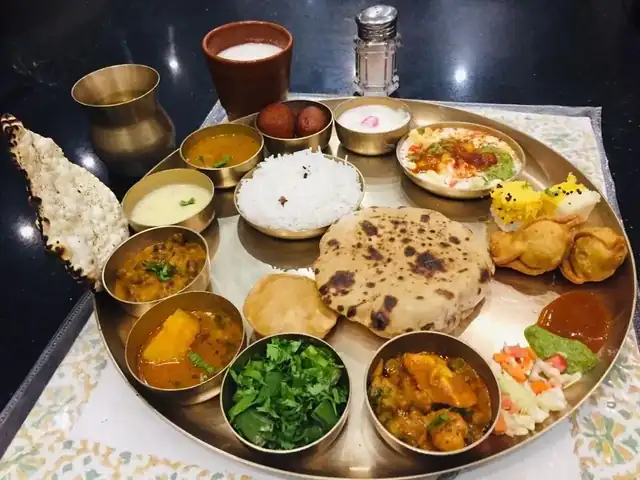
A Taste of India: Many Regions, Many Ways to Eat